Invited Speakers
-
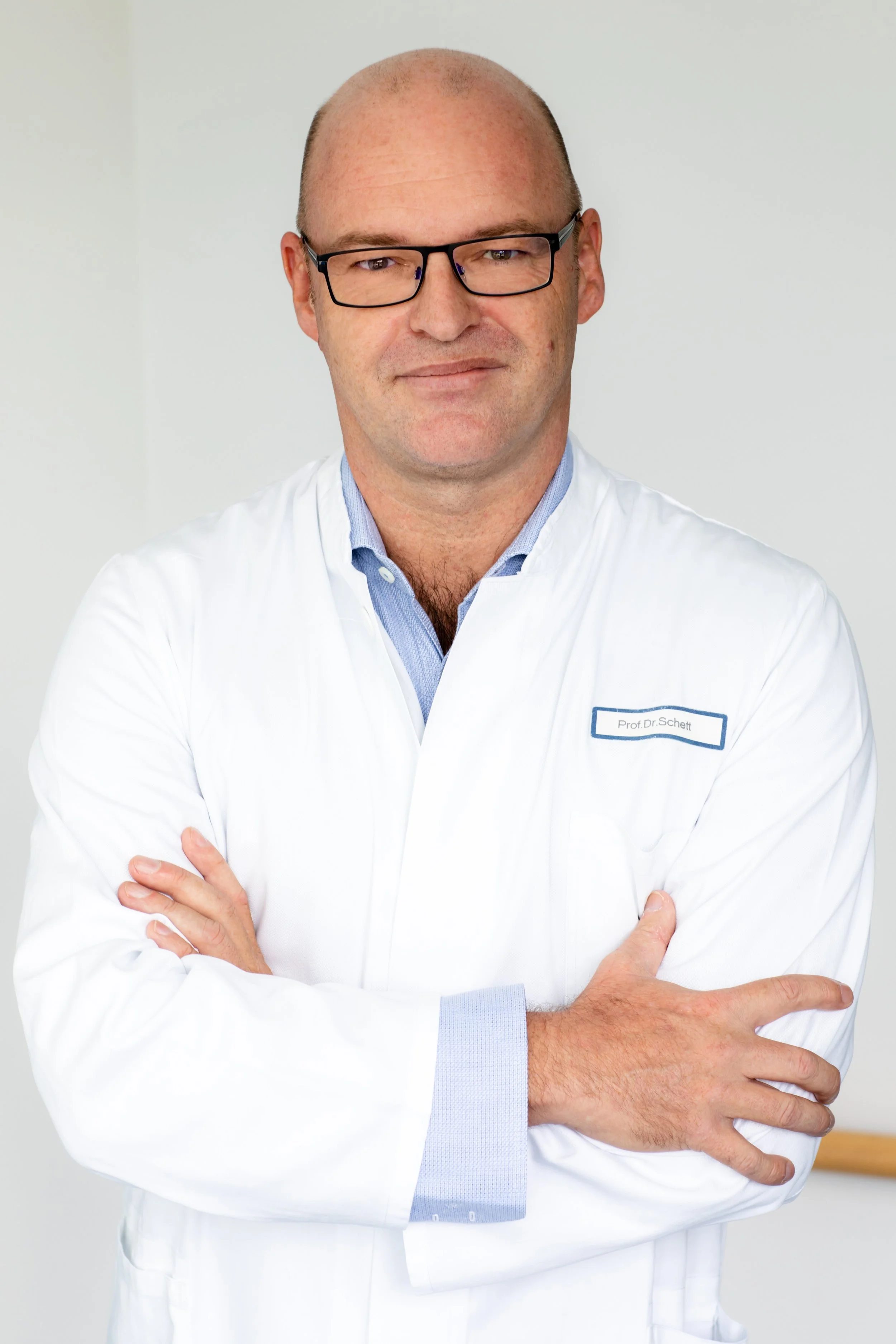
Prof Georg A. Schett, MD (Germany)
Invited Keynote Speaker
Georg Schett is Professor of Internal Medicine and since 2006 head of the Department of Medicine 3 - Rheumatology and Immunology at Uniklinikum Erlangen, Friedrich-Alexander-Universität Erlangen-Nürnberg in Germany.
Professor Schett graduated from the University of Innsbruck (Austria) in 1994. After his dissertation from medical school, he worked as scientist at the Institute of BioMedical Aging Research of the Austrian Academy of Science in Innsbruck. Two years later, he joined the Department of Medicine at the University of Vienna, where he completed his postgraduate training in Internal Medicine and subsequently in Rheumatology. In 2003 he was promoted to professor of Internal Medicine. Before accepting his position as the chair of the Department of Internal Medicine 3 in Erlangen, he worked as a scientist in the United States of America for one year.
Georg Schett’s scientific work includes a broad spectrum of clinical and immunological issues, particularly the molecular basics of immune-inflammatory diseases. Initially, he investigated the immunology of atherosclerosis and focused on antibody-mediated endothelial cell damage. His research work led to the understanding of the phenomenon of LE-cells in 2007. He was awarded the renowned START Award in 2002 and established a research group for arthritis in Vienna. In 2008, he initiated in collaboration with colleagues the priority program IMMUNOBONE in Germany, funded by the German Research Foundation (DFG). IMMUNOBONE aims to elucidate the interactions between the skeletal and the immune systems. Since 2015, Prof. Schett has led the DFG collaborative research centre 1181 “Checkpoints for Resolution of Inflammation” in Erlangen. Additionally, he is spokesperson of the project METARTHROS, funded by the Federal Ministry of Education and Research, which investigates the impact of the metabolism on arthritis. In 2019, he received funding for the ERC-Synergy grant “4D+ nanoSCOPE Advancing osteoporosis medicine by observing bone microstructure and remodelling using a four- dimensional nanoscope” of which he is spokesperson. 4D nanoSCOPE aims to develop tools and techniques to permit time-resolved imaging and characterization of bone in three spatial dimensions (both in vitro and in vivo), thereby permitting monitoring of bone remodelling and revolutionizing the understanding of bone morphology and its function.
In 2021, Prof. Schett was appointed Vice President for Research at the Friedrich-Alexander-Universität Erlangen- Nürnberg and became a Leopoldina member of the German National Academy of Sciences.
Professor Schett’s scientific work has been honored with several awards, including the Carol-Nachman Prize from Wiesbaden. In March 2023, Prof. Schett received the 2023 “Funding Prize in the Gottfried Wilhelm Leibniz Programme” awarded by the DFG. He has published over 1100 peer-reviewed papers.
-
A/Prof Rebecca Sadun (USA)
Dr. Rebecca Sadun is an Associate Professor of Adult and Pediatric Rheumatology at Duke University School of Medicine, where she serves as the Program Director for the Combined Adult & Pediatric Rheumatology Fellowship and core faculty for Duke's adult and pediatric lupus programs. Dr. Sadun has research expertise in the areas of vaccine immunogenicity, medication adherence, and clinical outcomes for pediatric lupus patients and for patients transitioning from pediatric to adult care. Her clinical efforts are focused on the care of lupus patients across the age span as well as adolescent/young adult rheumatology patients, for whom effective contraception and pregnancy counseling and care are crucial. She looks forward to sharing best practices related to childhood-onset lupus, pediatric-to-adult transition, and reproductive rheumatology.
-
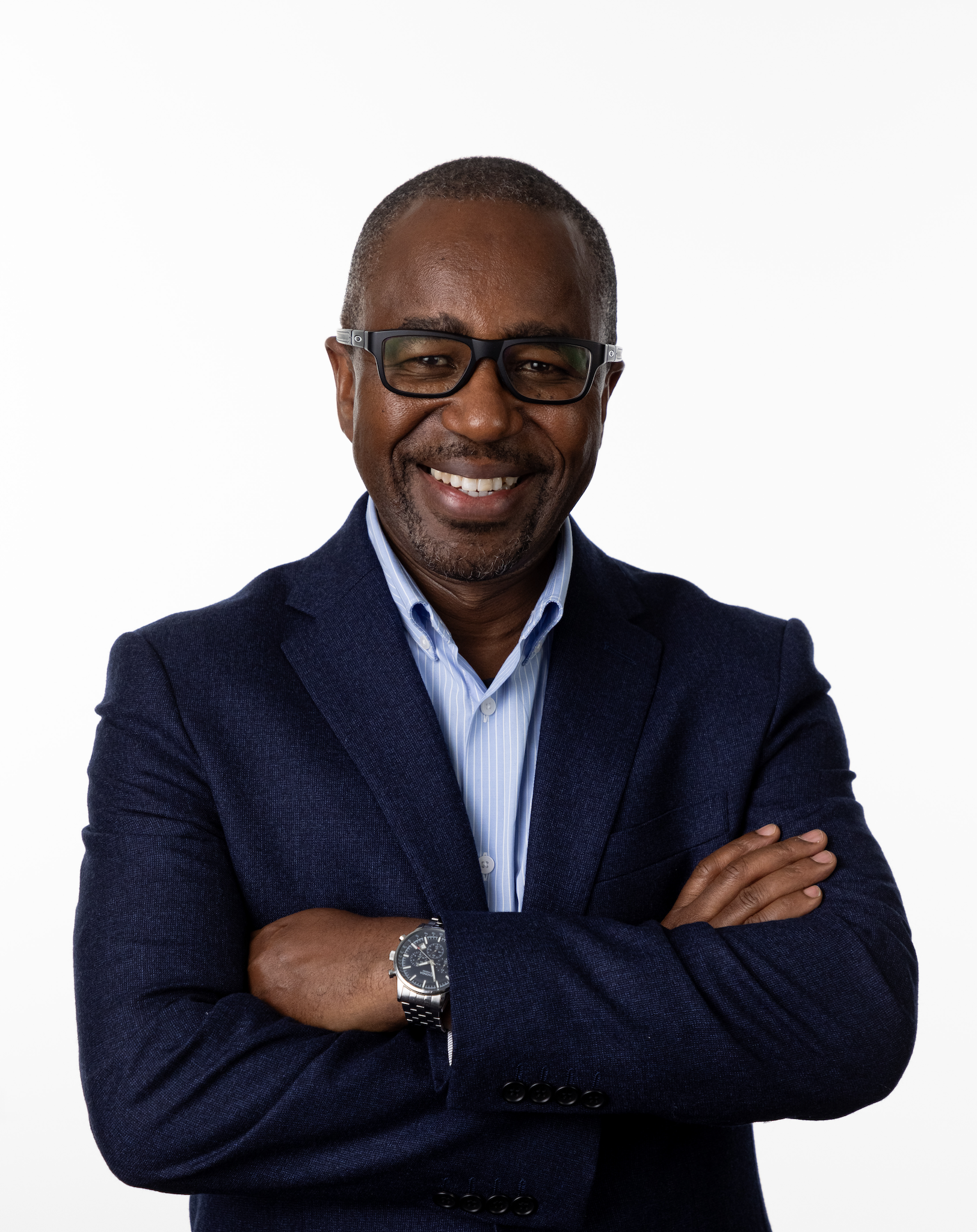
A/Prof Mwidimi Ndosi (UK)
Invited Keynote Speaker
Dr Mwidimi Ndosi is Associate Professor in Rheumatology Nursing at the University of the West of England, Bristol, UK. His research aims to improve outcomes for people with rheumatic and musculoskeletal diseases through the development and validation of patient-reported outcome measures, rheumatology nursing and self-management interventions, directly informing clinical guidelines and health policy.
He has played a leading role in European rheumatology, serving as Chair of the EULAR Health Professionals in Rheumatology Committee, where he championed professional education and capacity building. He is committed to knowledge translation, engaging public and professional communities to ensure that research has meaningful, lasting impact on patient care and service delivery.
-
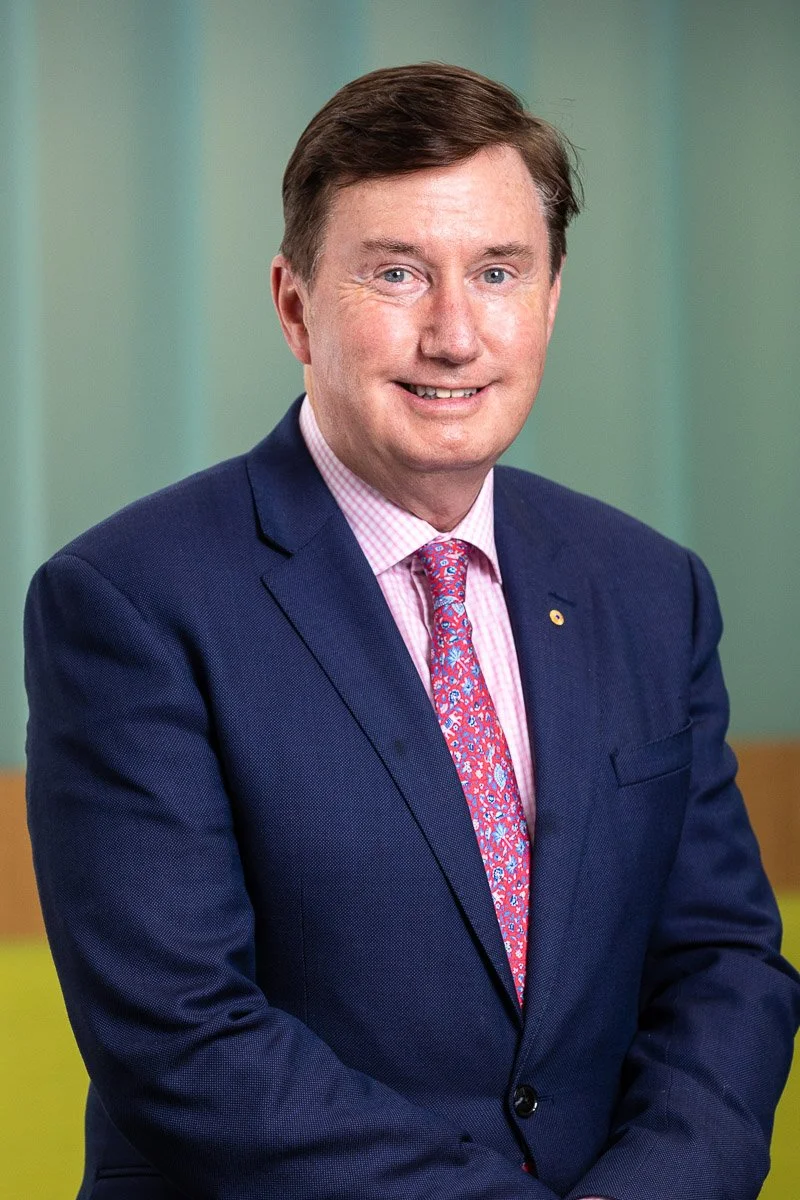
Prof Peter R Ebeling AO FAHMS (Australia)
Invited Keynote Speaker
Professor Peter Ebeling is Head of the Department of Medicine, and Head of the School of Clinical Sciences at Monash Health, Faculty of Medicine, Nursing and Health Sciences, Monash University. Professor Ebeling is a Fellow of the Australian Academy of Health and Medical Sciences (AAHMS). The AAHMS aims to advance research throughout Australia in the fields of health and medicine to ensure the application of this research benefits all Australians. In 2023, he was also elected a Fellow of the Royal College of Physicians (London). He was inaugural Director of the Australian Institute of Musculoskeletal Science. In 2015, he was made an Officer of the General Division of the Order of Australia for distinguished services in the field of bone health. Research interests include: musculoskeletal health and diseases; public health aspects of vitamin D; post- transplantation osteoporosis; and osteoporosis in men. Professor Ebeling was Associate Editor of JBMR®, Editor of Clinical Endocrinology (Oxf) and Editor-in-Chief of Bone Reports and JBMR® Plus. He currently serves as Editor-in-Chief of B o n e and on the Editorial Board of Osteoporosis International. He is a Past-President of the American Society of Bone and Mineral Research, Chair of the Board for Healthy Bones Australia, Board member of the International Osteoporosis Foundation, a Past-President of the Endocrine Society of Australia, and a Past-President of ANZBMS. He served on the National Health and Medical Research Council’s Research Committee from 2015-2018. There were 156 peer-reviewed publications from 2019-2024, including in Journal of Clinical Investigation, Journal of Clinical Oncology, Lancet Diabetes and Endocrinology, and JBMR®. He has over 600 peer-reviewed publications with 43,000 citations and a h- index of 100, including in The New England Journal of Medicine, Proceedings of the National Academy of Sciences, Journal of Clinical Investigation and Science. He also teaches and mentors medical students and supervises a number of research higher degree students and advanced physician trainees in endocrinology.
-
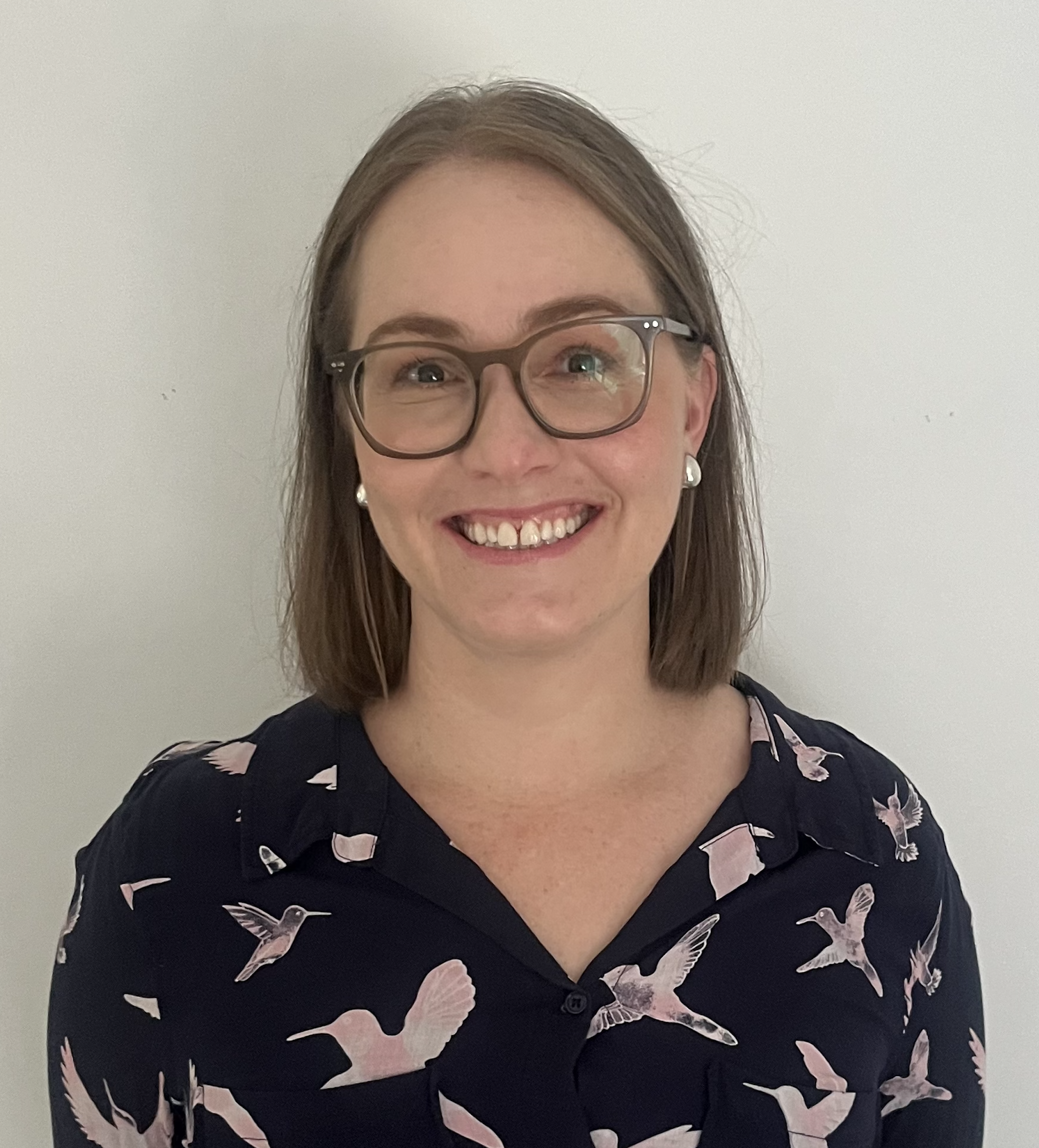
Dr Rebecca Abrahall
Dr Rebecca Abrahall is an Adolescent Physician and General Paediatrician at the Queensland Children’s Hospital. She has a special interest in paediatric and young adult gender medicine, as well as in supporting young people with complex and chronic health conditions. She is passionate about improving healthcare access and equity, and has experience working across both paediatric and adolescent services. Dr Abrahall is committed to education and workforce development, with a focus on equipping healthcare professionals to deliver inclusive, developmentally appropriate, and person-centred care.
-
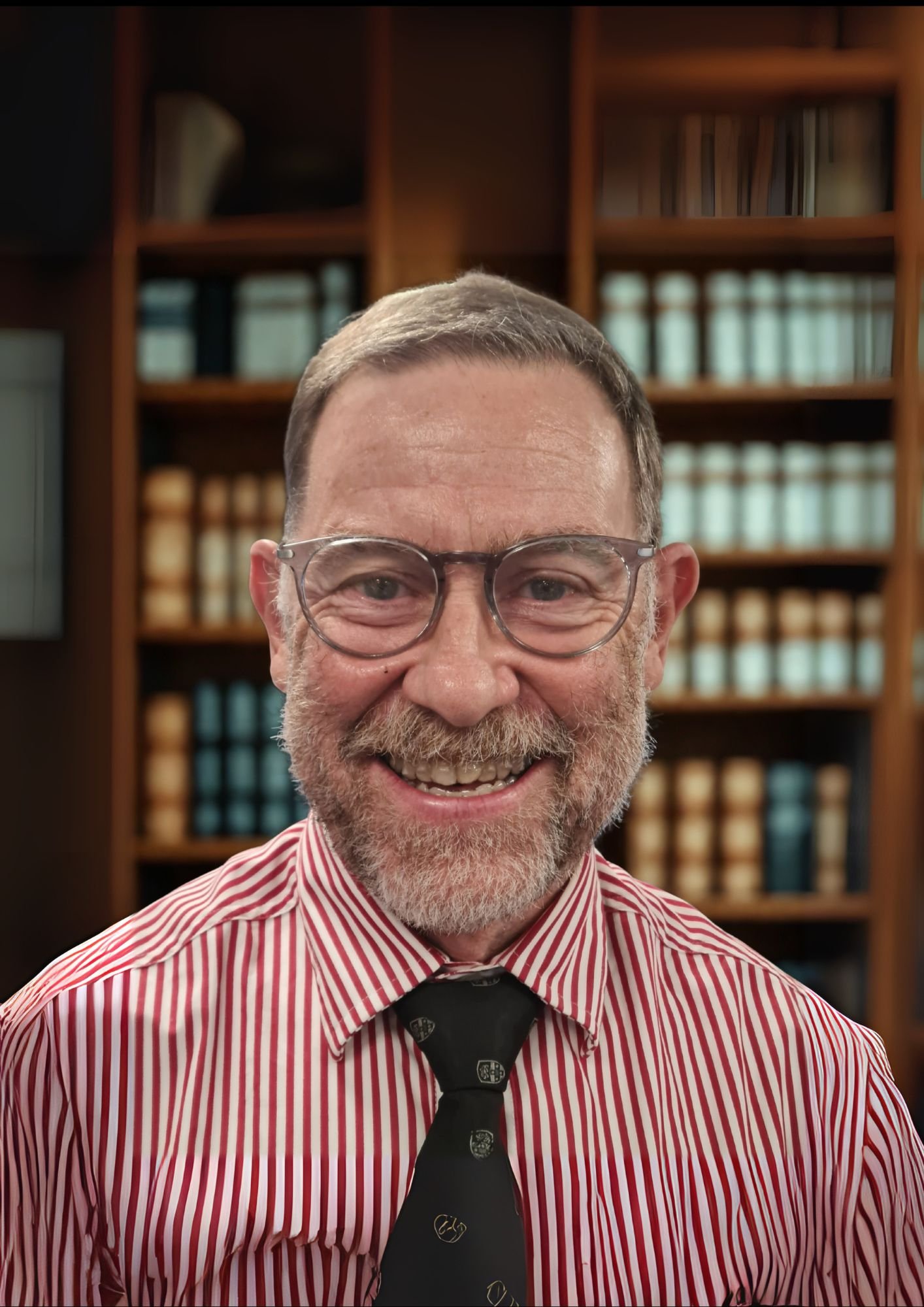
Prof Mark Arnold
MBBS FRACP M Bioethics GAICD PhD AFRACMa
Mark has been a practicing rheumatologist for 37 years and holds a Masters and PhD in Bioethics. He is the current Chief Medical Officer of the Western NSW Local Health District and leads the Voluntary Assisted Dying Service. He is the Chair of the NSW Health Ethics Advisory Panel, and a Committee Member of the RACP Adult Medicine Division Clinical Examinations Committee. He has served previously as a Board Member of the ARA, as President and Vice-President of the NSW Branch of the ARA, member and Committee Chair of the Medical Council of NSW and has several decades of experience with other Medical Regulators. He has served as a member of the RACP Ethics Committee and the Australian Health Ethics Committee of NHMRC and has chaired G8 University Human Research Ethics Committees.
-
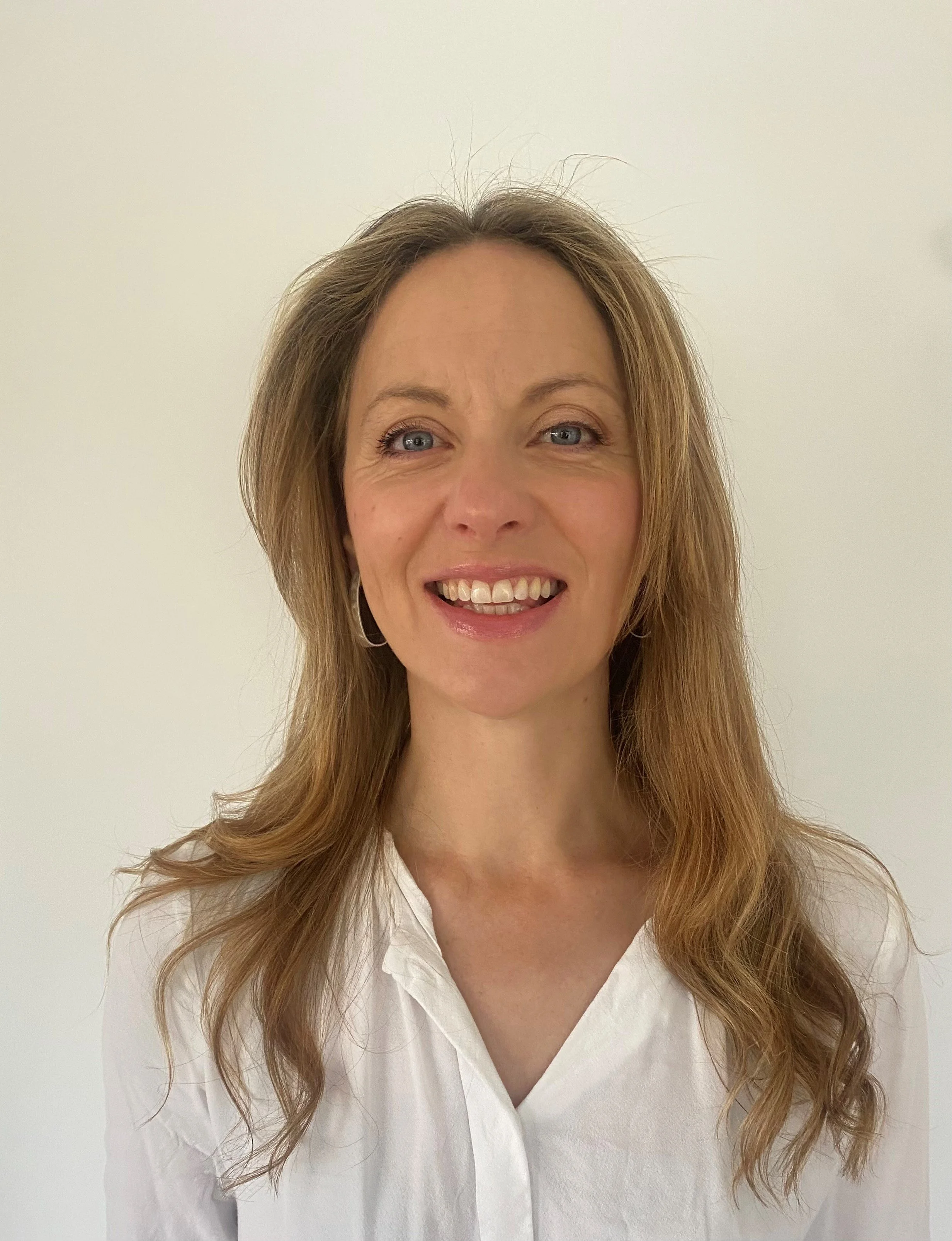
Emma Bavage NP
Emma is a Rheumatology Nurse Practitioner based in Hobart, Tasmania, working at the Royal Hobart Hospital and in private practice. She has been involved in rheumatology for 18 years and qualified as a Rheumatology Nurse Practitioner in 2017. She enjoys working as a member of the Tasmanian rheumatology multidisciplinary team consisting of rheumatologists, trainees, junior doctors and allied health care professionals. She practices in both the paediatric and adults space and works across all facets of rheumatology from inflammatory arthritis to connective tissue diseases, gout, osteoporosis and fibromyalgia. She is passionate about increasing patient outcomes, hospital avoidance and increasing health care professional’s knowledge and management of rheumatological diseases.
Emma has previously been involved with research at The Menzies Centre of Research in Hobart. She supports local and national patient support organisations such as Arthritis Australia and Scleroderma Australia providing patient education and advisory in the hope of increasing patient outcomes.
-
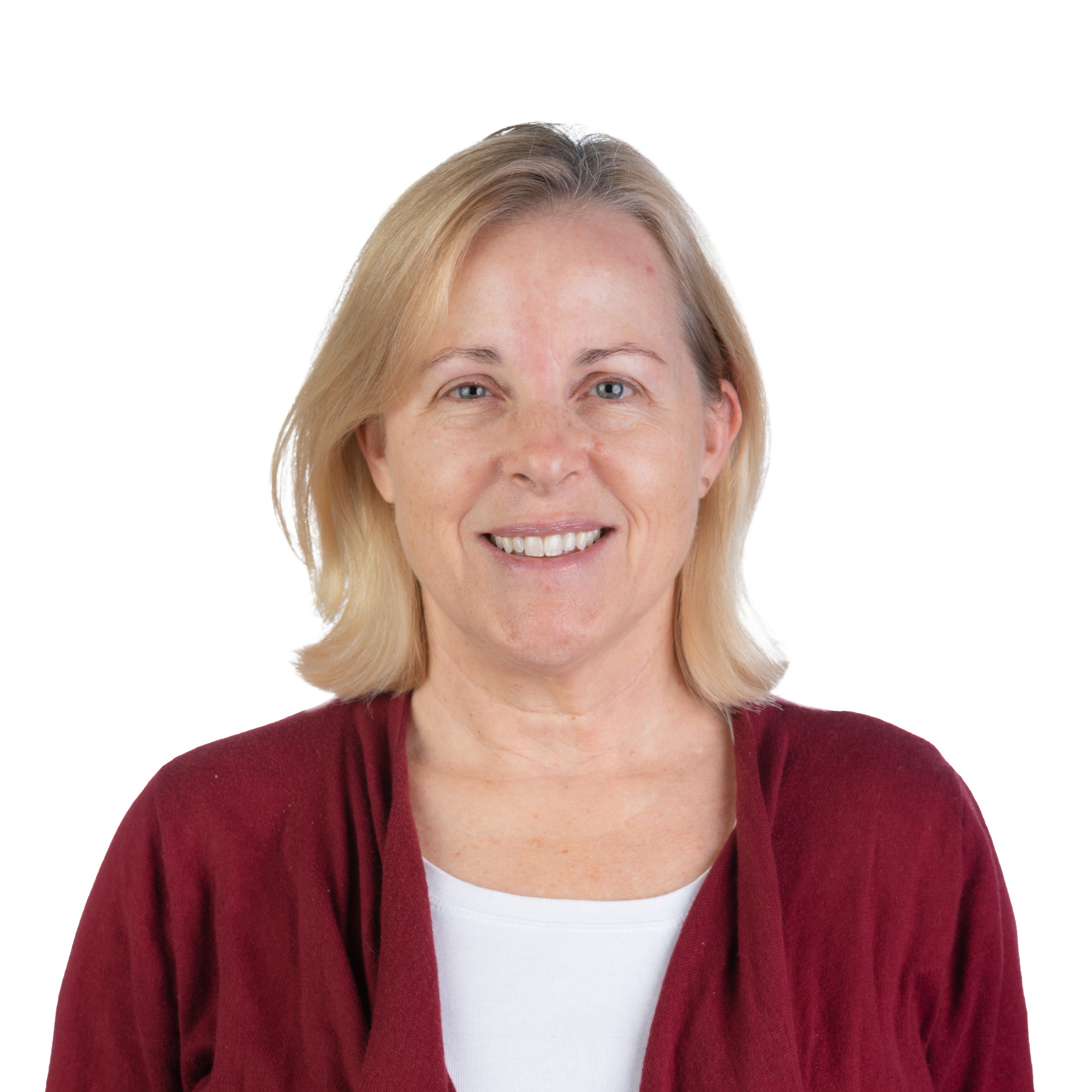
Prof Belinda Beck
Belinda Beck is a Professor of Exercise Physiology at Griffith University (Gold Coast, QLD) and Director of The Bone Clinic in Brisbane. Her work, primarily related to the effects of mechanical loading on bone, includes a series of clinical trials (the LIFTMOR and MEDEX-OP trials) that changed the way osteoporosis is managed with exercise. In 2015, she established The Bone Clinic, a translational research facility and clinical practice in Brisbane providing the ONERO® exercise program for osteoporosis which has been licenced for delivery around the world. She has been awarded around $8M in research funding and has published over 150 papers and chapters in the field. She is a Fellow of numerous bone and exercise societies (including ACSM, ASBMR, ESSA and SMA), is on the Board of the Australian and New Zealand Bone and Mineral Society, Sports Medicine Australia, the SOS Fracture Alliance, the International Osteoporosis Foundation Capture the Fracture Governance Committee, and the Healthy Bones AustraliaMedicine and Science Advisory Committee.
-
Associate Professor Helen Benham
MBBS (Hons), FRACP, PhD, B.App.Sci (Pod), GAICD
Helen is currently the Chief of Research and Innovation at Metro South Health and a Senior Staff Specialist Rheumatologist at Princess Alexandra Hospital. She is an Associate Professor with The University of Queensland and was previously the Executive Director of Translation at the Translational Research Institute. She has experience across the research spectrum including discovery and translational science, clinical research including trials and applying the principles of implementation science as an NHMRC Translating Research into Practice Fellow.
-
Dr Hugh Caterson
Hugh Caterson is a staff specialist rheumatologist at Prince of Wales Hospital in Sydney and is dual trained in rheumatology and clinical immunology. He runs a specialised autoinflammatory disease clinic and leads a multidisciplinary haematoinflammatory disease clinic. He is active in research into VEXAS syndrome, particularly its mechanisms of inflammation and its treatment options, and in the broader field of clonal haematopoiesis of immunological significance. Hugh is the Australian representative on the EULAR VEXAS study interest group.
-
Dr Jacklyn Chay
Dr Jacklyn Chay is a graduate of the University of Queensland having obtained both a Bachelor of Science (Biochemistry) and a Bachelor of Medicine/Bachelor of Surgery (MBBS) with Honours. She completed her fellowship (FRACP) in Rheumatology in 2012. Jacklyn has worked in private practice on the Gold Coast since 2013 and has clinical privileges at Gold Coast Private Hospital and Pindara Private Hospital. She has previously been Treasurer of the Queensland Branch of the Australian Rheumatology Association and also Secretary. Jacklyn is co-owner of a large private practice in Southport, working full time. She is a mother to two school aged daughters and in between juggling work and family likes to stay active running.
-
Dr Sonia Davison
Dr Sonia Davison MBBS FRACP PhD, is an Endocrinologist with a special interest in Women's Health, and has worked in this field for over 20 years. She is a Clinical Fellow at Jean Hailes for Women’s Health and has worked at the Women’s Health Research Program, Monash University, Victoria, Australia. Sonia is in private practice at the Melbourne Endocrine Clinic, Malvern, and at Jean Hailes for Women's Health. Her PhD and postdoctoral research examined hormones in women, including measurement of androgens and their relationships with age, mood, sexual function and cognition. Sonia is Past President of the Australasian Menopause Society and former editor of its newsletter, ‘Changes’. She is a current Board member of the Asia Pacific Menopause Federation. Sonia has published widely in the field of women’s health, and has presented at women’s health conferences, scientific meetings, podcasts, webinars, and community seminars. She has frequently been invited to appear in the media, including the TV show, “The Truth about Menopause”, featuring Myf Warhurst.
-
Prof Simon Denny
Professor Simon John Denny, M.P.H., Ph.D., FRACP is an internationally recognised Adolescent and Young Adult Physician, researcher, and health system leader with over two decades of experience advancing youth-appropriate healthcare. He is the Director of the Mater Young Adult Health Centre and a Professor at the University of Queensland, where his work focuses on improving health outcomes for adolescents and young adults, particularly within adult hospital settings.
Professor Denny is a leading advocate for youth-centred models of care that extend beyond traditional paediatric–adult transitions, embedding developmentally appropriate, multidisciplinary services within adult health systems. His clinical and research interests include chronic disease management, mental health, health risk behaviours, and healthcare accessibility for young people.
A prolific researcher, he has authored nearly 100 peer-reviewed publications and has led major population-level studies, including as Principal Investigator of Youth’07, New Zealand’s National Youth Health and Wellbeing Survey. His highly cited work on the social determinants of adolescent health, published in The Lancet, has shaped international policy and practice.
Professor Denny currently was past Chair of the Adolescent and Young Adult Committee at the Royal Australasian College of Physicians and has held senior governance roles across hospital and health systems. His work continues to influence youth health policy, clinical practice, and professional education globally.
-
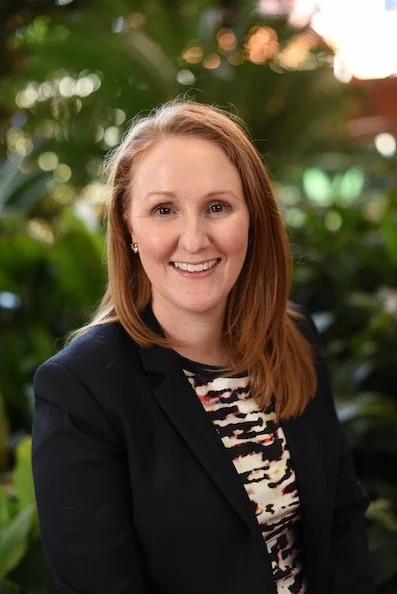
A/Prof Claire Ellender
A/Prof Claire Ellender BSc MBBS FRACP PhD, is a Respiratory and Sleep physician at the Princess Alexandra Hospital in Brisbane. Her areas of research include evaluating health literacy in sleep medicine, equity in accessing sleep therapies for complex or disadvantaged groups and multi-disciplinary management of hypersomnolence disorders. Dr Ellender is the head of the PA-Southside Clinical Unit at the Faculty of Health Medicine and Behavioural Science, University of Queensland. In this role she oversees the training of 300 medical students annually.
-
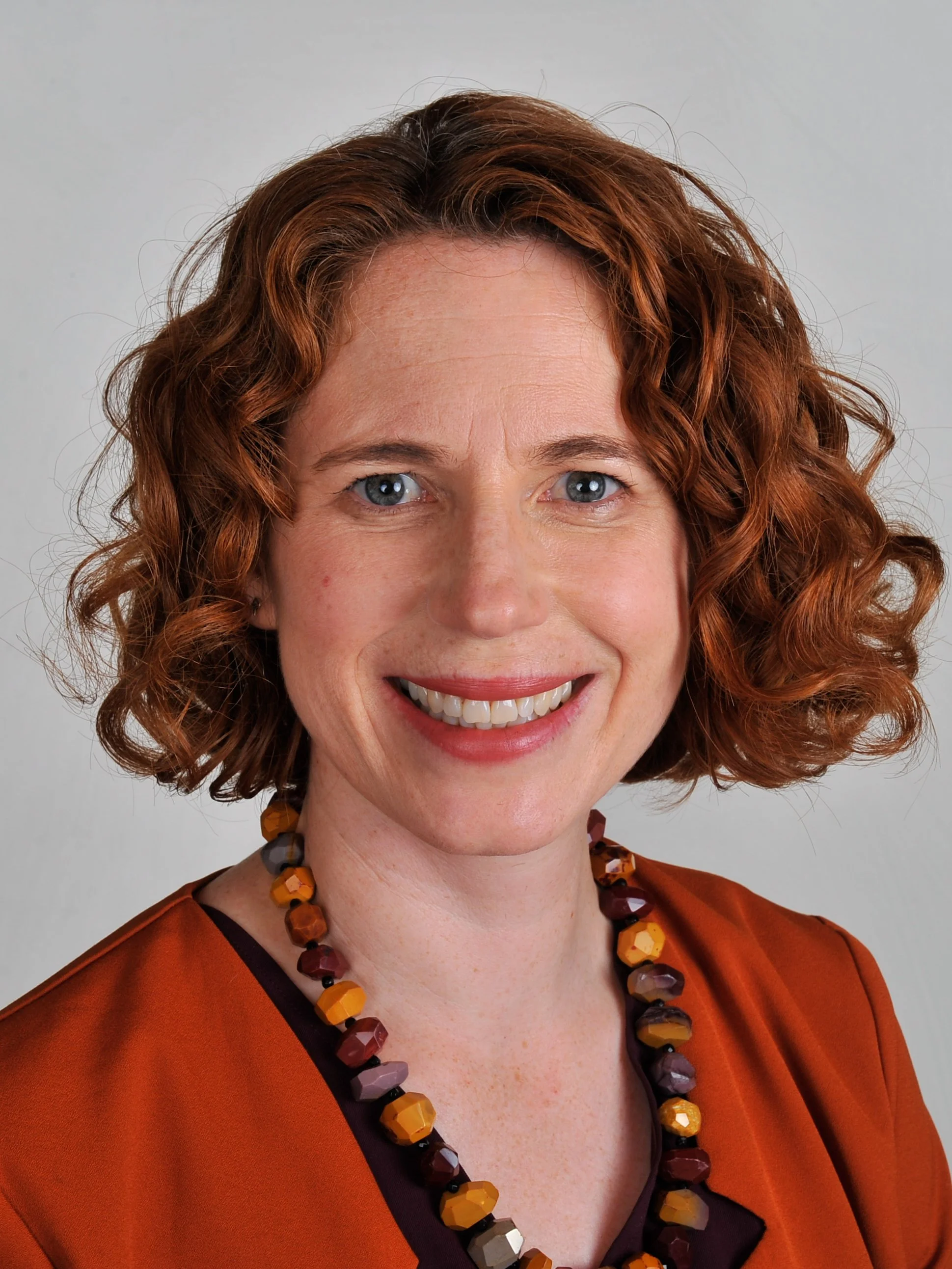
Prof Rebecca Grainger
-
Professor Paul Griffin
Professor Paul Griffin is an Infectious Diseases Physician and Clinical Microbiologist.
Prof Griffin was appointed as the Director of Infectious Diseases at Mater Health Services in 2013 and is also the Head of the Mater Clinical Unit for the University of Queensland School of Medicine.
An accomplished Clinical Trial Investigator, he has been the Principal Investigator in over 150 clinical trials, particularly in infectious diseases, including eight COVID-19 vaccines.
Prof Griffin has published nearly 100 peer reviewed publications with over 4500 citations. He has also published more than 10 book chapters and recently co- authored a book “Frontiers of COVID-19, Scientific and Clinical Aspects of the Novel Coronavirus 2019” published by Springer.
Despite an already demanding role at Mater, Prof Griffin continues to serve as a member of the Australian Medical Association’s Queensland Council 2023-2024 and as a director and advisory board member of the Immunisation Coalition.
He has an active interest in vaccine education and advocacy, becoming a trusted media authority and spokesperson nationally and internationally particularly during the COVID-19 pandemic. -
Professor Noel Hayman
Professor Noel Hayman is one of Australia’s leading Indigenous health experts and advocates.
Hayman was Queensland’s first Indigenous doctor; he has dedicated the past 27-years of his life to improving health care, health policy and life expectancy for Indigenous Australians.
In his current role as Clinical Director of the Inala Indigenous Health Service, Hayman cultivates and trains Indigenous doctors, advanced trainees in paediatrics, visiting specialists and GP Registrars to further Indigenous health research and outcomes.
Under his leadership, the Inala Health Service has become a centre of excellence in Aboriginal and Torres Strait Islander Primary Health Care.
Over the past decade, he has helped increase the number of patients visiting the centre from 12 to more than 6,000 regular patients - with patients travelling from all over Brisbane to attend.
Hayman has taken on a variety of leadership roles within local, state and national organisations. He was Advisor to the Rudd Government Close the Gap Program and was a committee member on the Australian Primary Health Care Strategy. He was also a member of the Andrology Australia Board and a member of the National Health and Medical Research Council.
For a decade, he served as foundation Secretary of the Australia Indigenous Doctor’s Association, and Chair of the Aboriginal and Torres Strait Islander Health Expert Advisory Group for the Royal Australian College of Physicians, receiving the College Medal in 2010.
Hayman’s immense contributions to Indigenous health and the Queensland community have been recognised by an array of accolades including 2011 Queensland Australian of the Year and a Centenary Medal Award in 2008.
Hayman is also a Fellow of the Australasian Faculty of Public Health Medicine (FAFPHM), the Royal Australasian College of Physicians (FRACP) and the Royal Australasian College of General Practice (FRACGP).
-
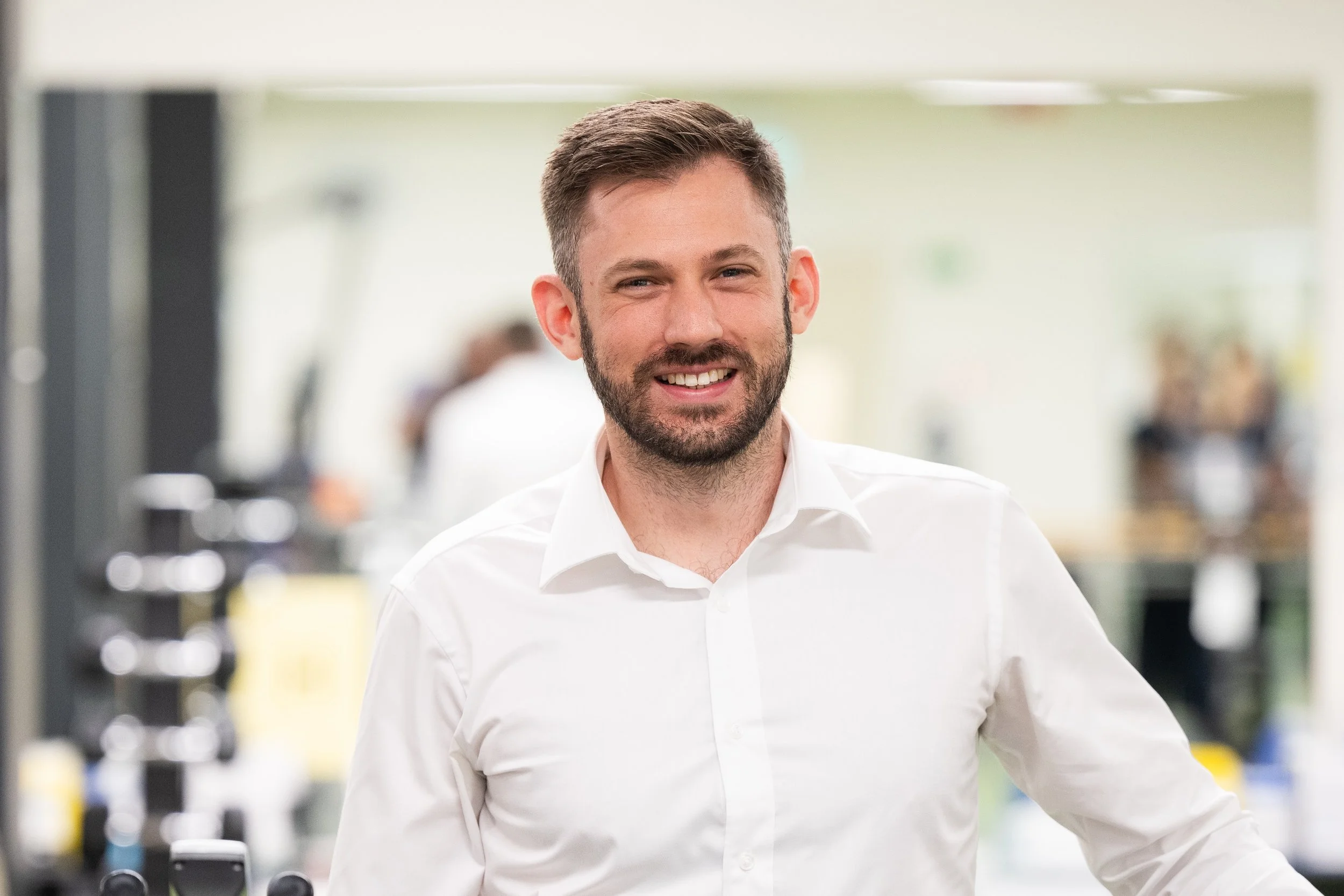
Dr Justin Holland
Dr Justin Holland is a Senior Lecturer in Exercise Physiology within the Sport, Exercise, Health and Physical Education discipline at Queensland University of Technology (QUT), and Chair of the Rheumatology Health Professionals Special Interest Group (RHPSIG).
He leads a program of clinically focused research exploring exercise and lifestyle interventions for people with chronic disease, with a particular emphasis on rheumatological conditions and oncology. His work is strongly translational, aiming to improve health outcomes and quality of life for patients and caregivers, while reinforcing the role of allied health, particularly exercise physiology, in disease and lifestyle management. Dr Holland supervises a cohort of Higher Degree by Research students across PhD and Masters programs.
-
Prof Tony Kenna
Professor Tony Kenna is the Head of School of Biomedical Sciences and an immunologist at Queensland University of Technology (QUT). His research focuses on immune-mediated disease, particularly ankylosing spondylitis and scleroderma, integrating genomic data with cellular and molecular immunology to identify key drivers of disease and inform new therapeutic approaches. He is also the current President of the Australian Society for Medical Research, and serves in advisory roles supporting the scleroderma community in Queensland and nationally.
-
Craig Knox
Graduated as a Physiotherapist in 1992, spent 15 years working with Total Joint Replacement patients, before dedicating the last 10 years to Osteoporosis Refracture Programs.
Craig has been involved in the NSW Health development of Fracture Liaison Services and shares experience from various models of care, heading into the development of National Care Standards in the management of Osteoporosis.
-
Dr Penny Larcombe
Dr Penny Larcombe is a consultant paediatrician and adolescent young adult specialist at Gold Coast University Hospital with a clinical and research focus on adolescent medicine and functional somatic disorders. She is the medical lead of the Adolescent Young Adult Service at GCUH and runs the Horizons Clinic, a multidisciplinary outpatient service supporting young people with functional somatic syndrome including functional neurological disorder, persistent pain, and chronic fatigue.
Dr Larcombe is also Co-Chair of the Queensland Child and Youth Clinical Network (QCYCN), contributing to child and youth statewide clinical leadership, service development, and policy.
-
Dr Irwin Lim
Dr Irwin Lim is a Sydney-based rheumatologist and co-founder of BJC Health, a multidisciplinary community rheumatology service with a strong focus on high-quality, team-based care.
Over the past few years, he and his colleagues have been involved in supporting advanced rheumatology trainees within a private practice setting, focusing on practical supervision, broad outpatient case exposure, and building the “non-clinical” skills trainees need to thrive—workflow, communication, and safe decision-making in the community context. In this session, Dr Lim will share lessons learned from establishing training in private practice, including what has been feasible, what has been challenging, and what private practices can do to support high-quality training alongside service delivery.
-
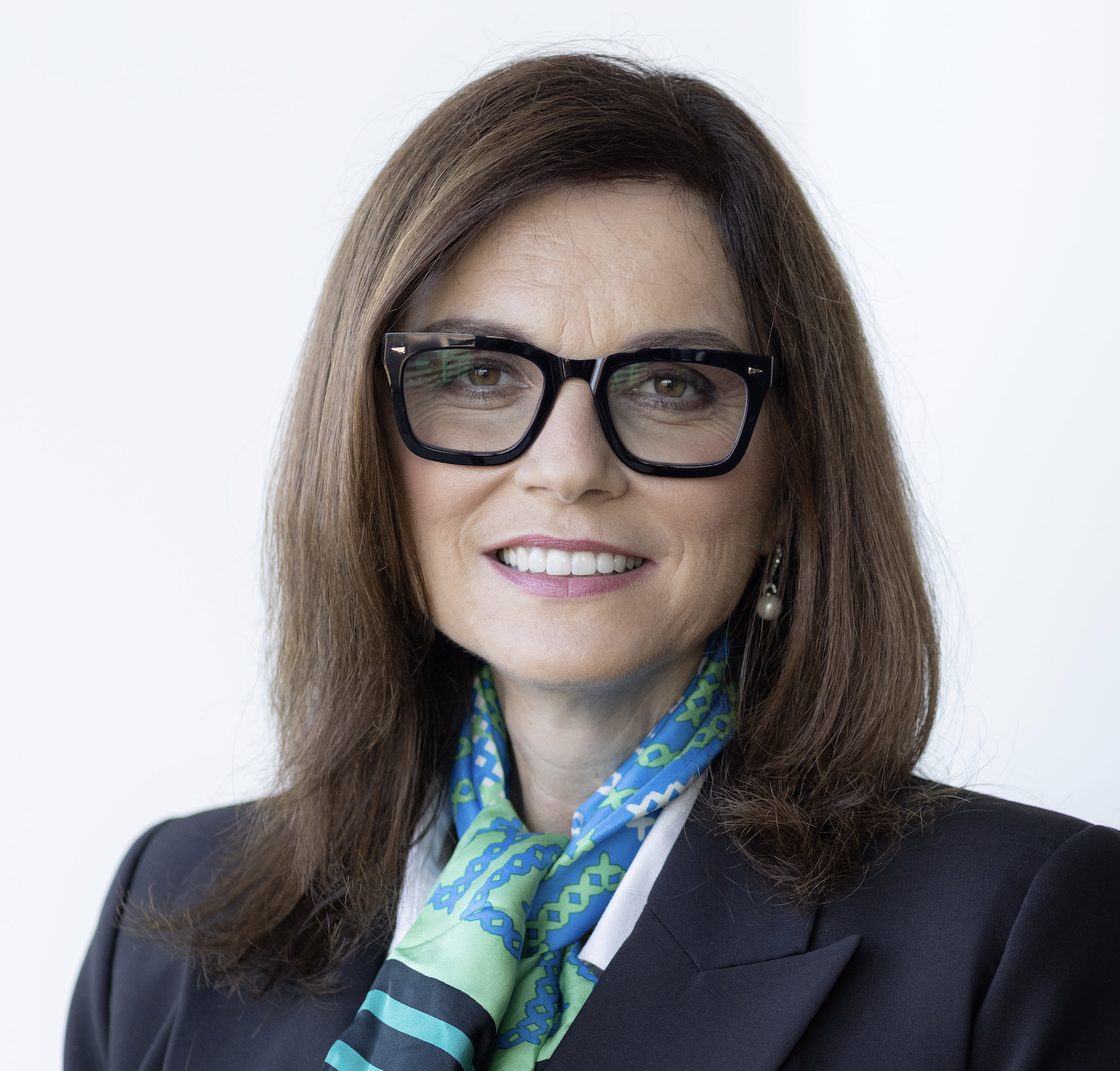
Prof Fabienne Mackay
Professor Fabienne Mackay PhD FAHMS FQAAS has just completed her tenure as Director and CEO of QIMR Berghofer. She joined QIMR Berghofer in May 2020.
Professor Mackay studied Medicine and Biomedical Engineering before obtaining her PhD in Molecular Biology and Immunology from Louis Pasteur University in Strasbourg, France. She started her research career in the biotech industry at Biogen Inc. in Boston. In 1999, she joined the Garvan Institute in Sydney and became Director of the Autoimmunity Research Unit. In 2009, she became Head of the Department of Immunology at Monash University. In 2015, she became the inaugural Head of the School of Biomedical Sciences at the University of Melbourne.
She is a world-renowned immunologist and a medical researcher who published 190 impactful papers cited more than 26,000 times. Her highly cited pioneer work on the factor BAFF provided the knowledge foundation for the development of belimumab (Benlystaâ, a BAFF inhibitor), as the first new treatment for lupus in over 50 years. Professor Mackay is the world most highly cited scientist in the BAFF field. She currently holds a NHMRC Investigator Grant Level 3.
Professor Mackay was elected as a Fellow of the Australian Academy of Health and Medical Sciences (AAHMS) in 2016, and a Fellow of the Queensland Academy of Arts and Sciences (QAAS) in 2022. She served six years on the prestigious Medical Advisory Board of the Gairdner Foundation in Canada and 4 years on the NHMRC Research Committee. She received multiple national and international awards including the 2025 National Health and Medical Research Council 2025 Ethics and Integrity Award.
-
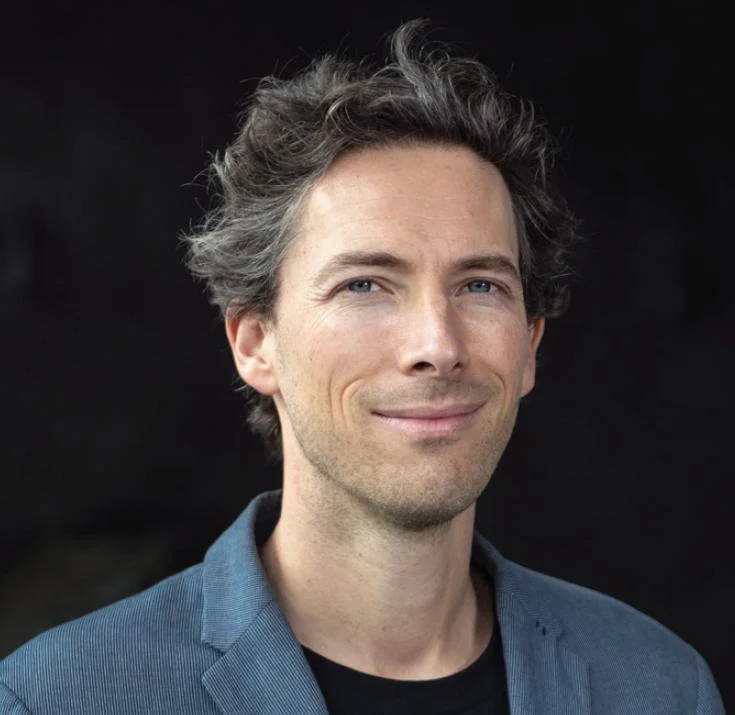
Prof Seth Masters
Prof Seth Masters is Centre Head of the Centre for Innate Immunity and Infectious Disease at the Hudson Institute of Medical Research (Australia). The Masters Laboratory has uncovered the genetic basis for several autoinflammatory diseases and continues to manage the associated Australian Registry, AADRY. Their work to characterise the pathways underlying autoinflammation has facilitated successful therapeutic intervention blocking IL-1, IL-6, TNF or IFN signalling in many patients, and industry partnerships generating novel inhibitors, now in clinical trials. Prof Masters is a Scientific Advisor for NRG Therapeutics (UK) and Odyssey Therapeutics (USA) and was appointed as a Fellow of the Viertel Foundation, HHMI-Wellcome Trust and the NHMRC.
-
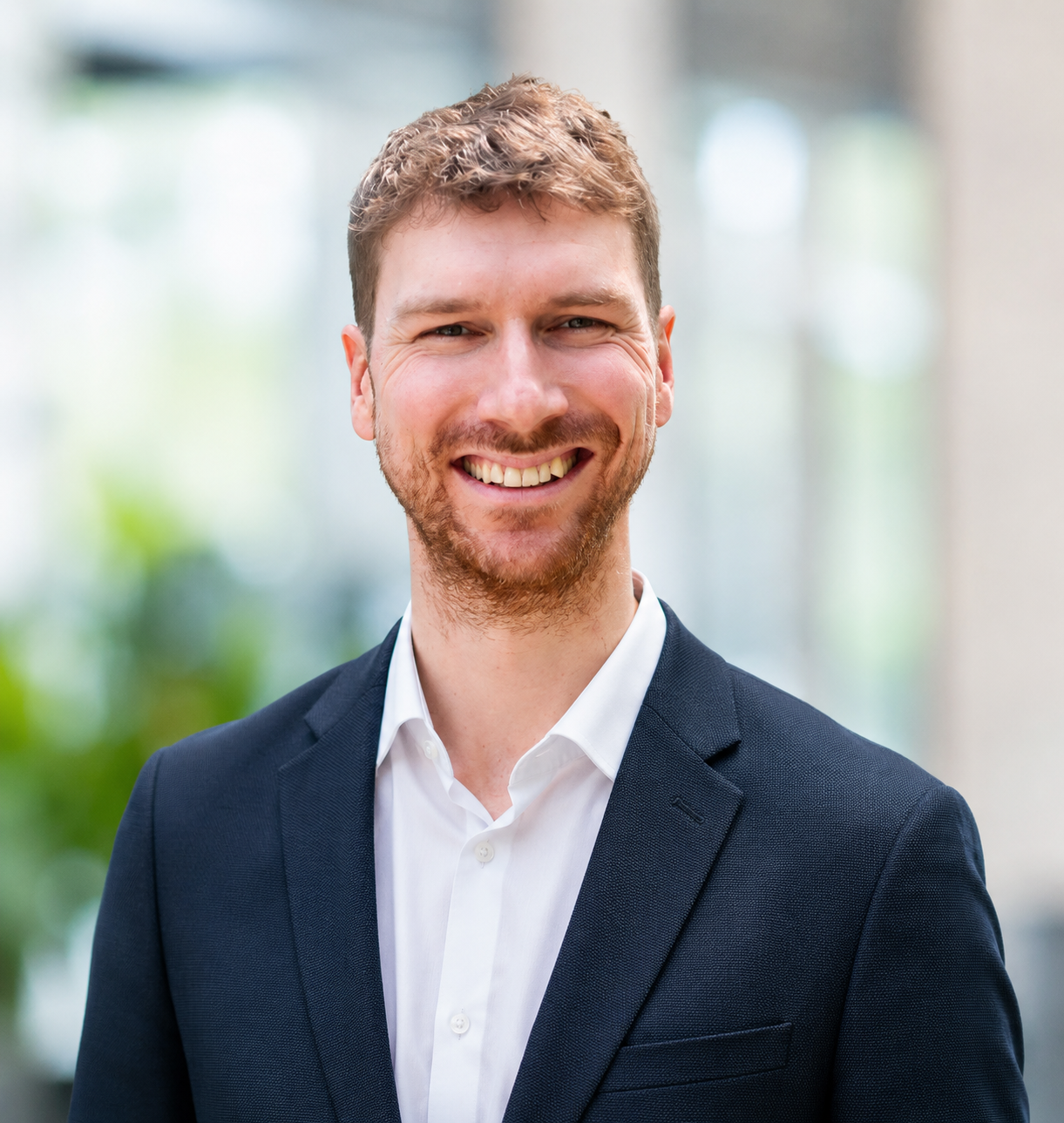
Dr Christopher McMaster
Dr Christopher McMaster is a Melbourne-based rheumatologist and clinical data scientist/AI engineer working at the intersection of clinical medicine, health informatics and artificial intelligence. He is a Consultant Rheumatologist at Austin Health and in private practice, provides regional telehealth rheumatology through Queensland Health, and leads clinical data science initiatives within the Medicines Optimisation Service at Austin Health. His work focuses on practical AI and data-driven systems for medication safety, pharmacovigilance, EMR analytics and clinical workflow improvement, including NLP and machine learning approaches using real-world hospital data.
-
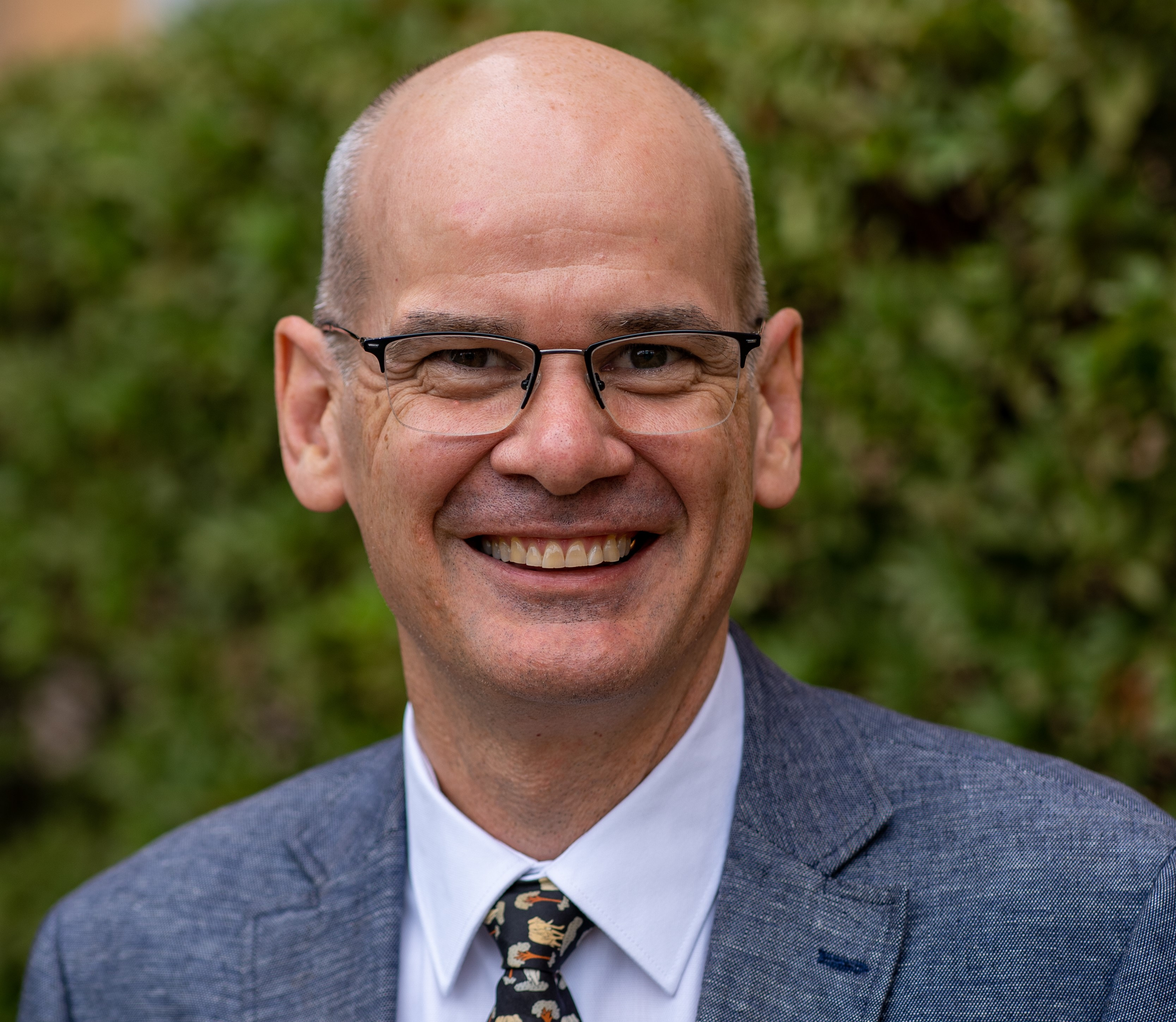
Prof Craig Munns
Professor Craig Munns is the Convenor of the UQ First 10,000 Days Wellbeing Network, Head, Mayne Academy of Paediatrics and Director, Child Health Research Centre at The University of Queensland. He is also a Senior Medical Office Department of Endocrinology at Queensland Children’s Hospital.
Prof Munns’ primary clinical and research interest is the diagnosis and management of primary and secondary paediatric bone disorders. He has published widely on nutritional rickets, genetic rickets, osteoporosis and osteogenesis imperfecta with over 190 publications and H-index of 56. He has undertaken numerous investigator initiated and sponsored clinical trials of novel therapies in paediatric bone disease and their implementation into clinical practice. Prof Munns is also heavily involved in enabling clinical trials in Advanced Therapeutics, including cell and gene therapy.
-
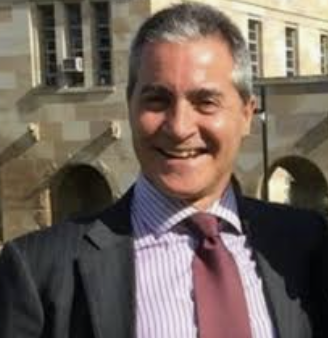
Prof Peter Nash
Clinical Year-In-Review
Peter Nash is Professor at the School of Medicine at Griffith University, Queensland, Associate Professor Department of Medicine, University of Queensland and Co-Director of the Rheumatology Research Unit on the Sunshine Coast. Prof Nash has Chaired the Professional Affairs Committee, the Therapeutics Committee, and NHMRC musculoskeletal panels, serves on the CRC and served on the Scientific Advisory Committee of the Australian Rheumatology Association. He is a former member of the Therapeutics Committee of the Australia and New Zealand Bone and Mineral Society. He is a founder member of Grappa and serves on the International Steering Committee for GRAPPA. He is on the editorial board of Annals of the Rheumatic Diseases, RMD Open and the Journal of Rheumatology.
Prof. Nash and his group at the Rheumatology Research Unit have been involved in the pivotal registration clinical trials for all modern targeted and biologic therapies and osteoporosis therapies. He has published more than 350 peer-reviewed papers and 6 book chapters He has been recognized as Rheumatology citation leader of the top 20 rheumatology journals over the last 5 years for 2021-2025. He is a Fellow of the Queensland Academy of Arts and Sciences. His special interests include psoriatic arthritis and novel therapeutics.
-
Dr David Peitsch
David is an early career consultant rheumatologist working in private practice and at Redcliffe hospital publicly. He has interest in registrar education, business in medicine and providing healthcare in regional areas. From his roller-coaster last 18 months, he hopes to provide some useful insights into the transition to being a consultant and how to start your own clinic.
-
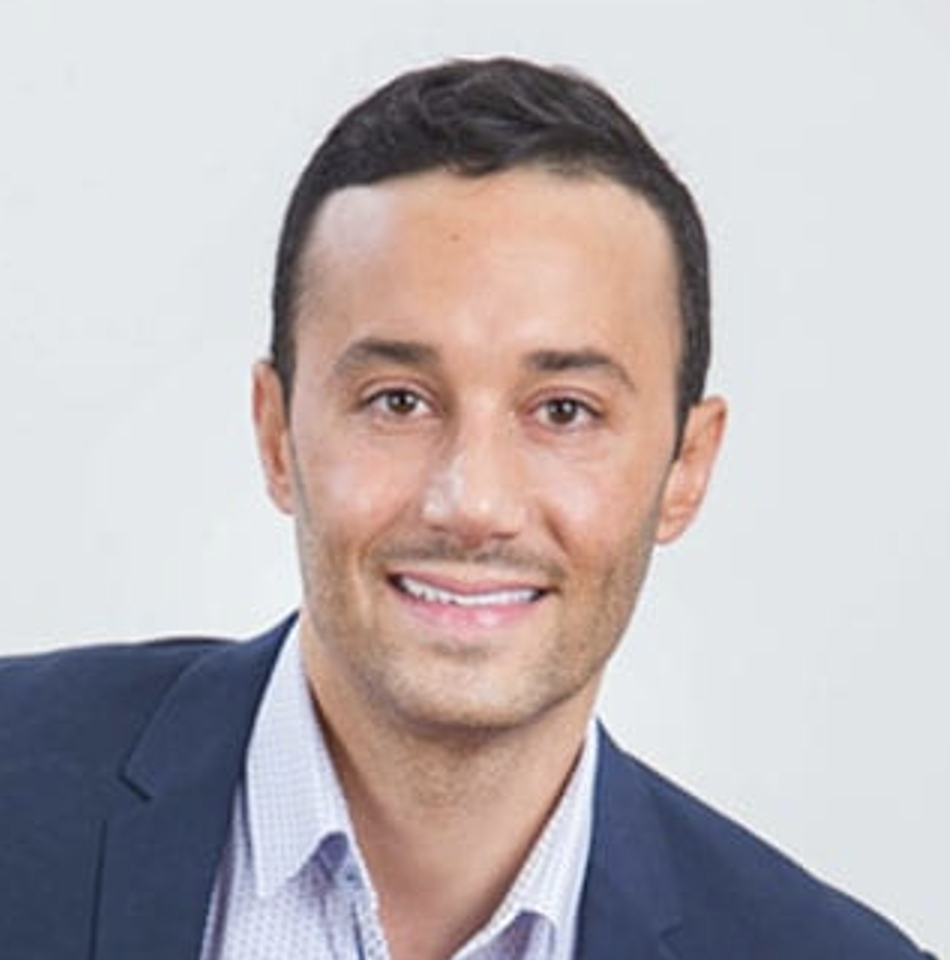
A/Prof Alberto Pinzon Charry
Associate Professor Alberto Pinzon Charry is a Paediatric Immunologist based at the Queensland Children’s Hospital (QCH) and in private practice. He completed doctoral studies in immunology through the University of Queensland and a postdoctoral fellowship at the Queensland Institute of Medical Research. He is an examiner for the Royal Australasian College of Physicians (RACP) and supervisor for the advanced trainees in immunology. A/Prof Pinzon Charry has an interest in allergy, hereditary angioedema and immune deficiencies particularly autoinflammatory diseases for which he is supported by a Queensland Health clinical research fellowship. He holds academic appointments with Griffith University and the University of Queensland and is the Queensland representative for the Australasian Society of Clinical Immunology and Allergy (ASCIA), as well as a president of the Clinical Immunology Committee for the International Union of Immunological Societies (IUIS).
-
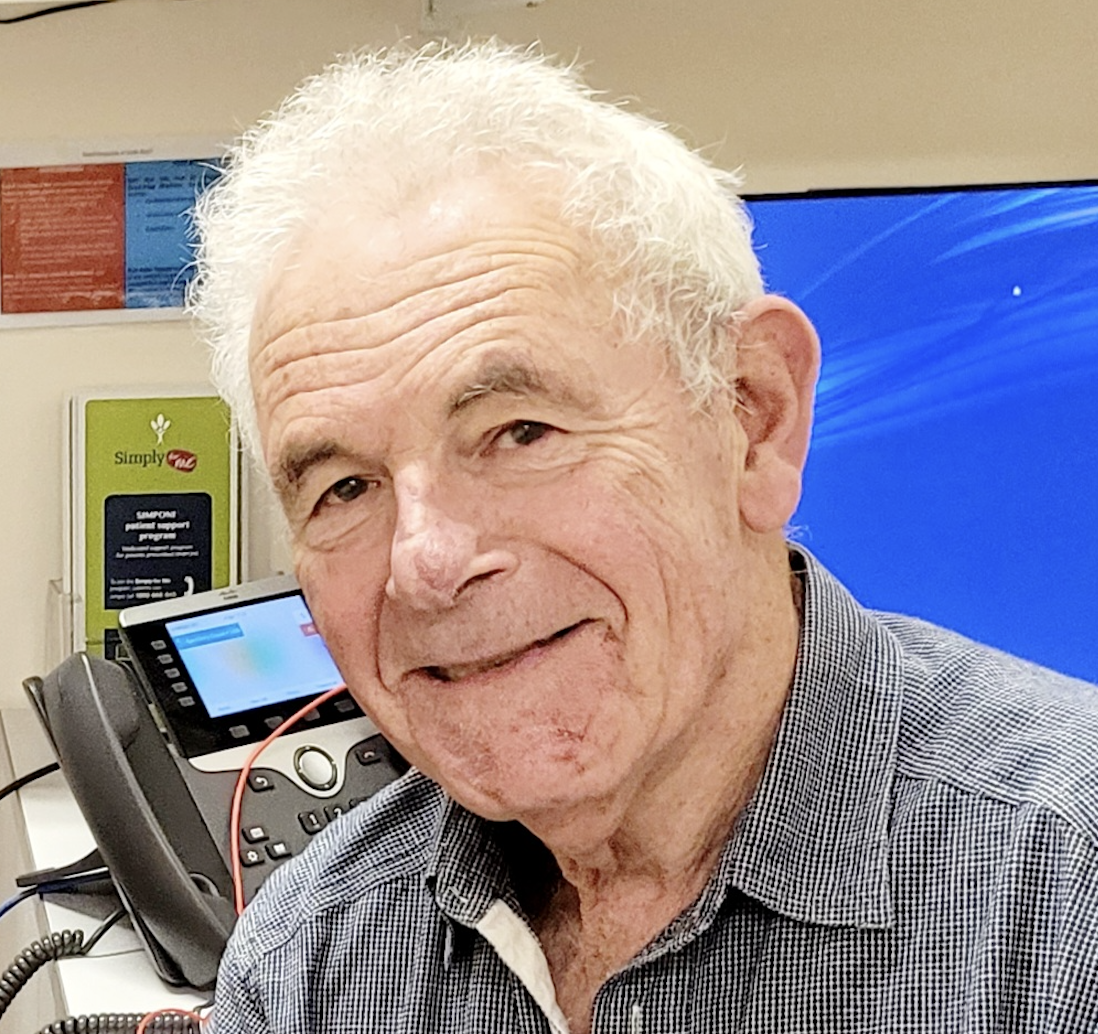
Dr Ian Portek
Dr Ian Portek is a rheumatologist based in Kogarah, Sydney. He is a Staff Specialist in Rheumatology at St George Hospital and consults privately at St George Private Hospital.
He specialises in adult rheumatology, with particular expertise in inflammatory arthritis, autoimmune diseases, mechanical low back pain and complex musculoskeletal conditions. His clinical interests include rheumatoid arthritis, psoriatic arthritis, ankylosing spondylitis, osteoarthritis and systemic connective tissue diseases.
Dr Portek is actively involved in research and has authored more than 40 peer-reviewed publications, with a focus on the safety and effectiveness of biologic therapies and modern treatments for rheumatic diseases. He is committed to evidence-based care and improving patient outcomes through ongoing clinical research.
-
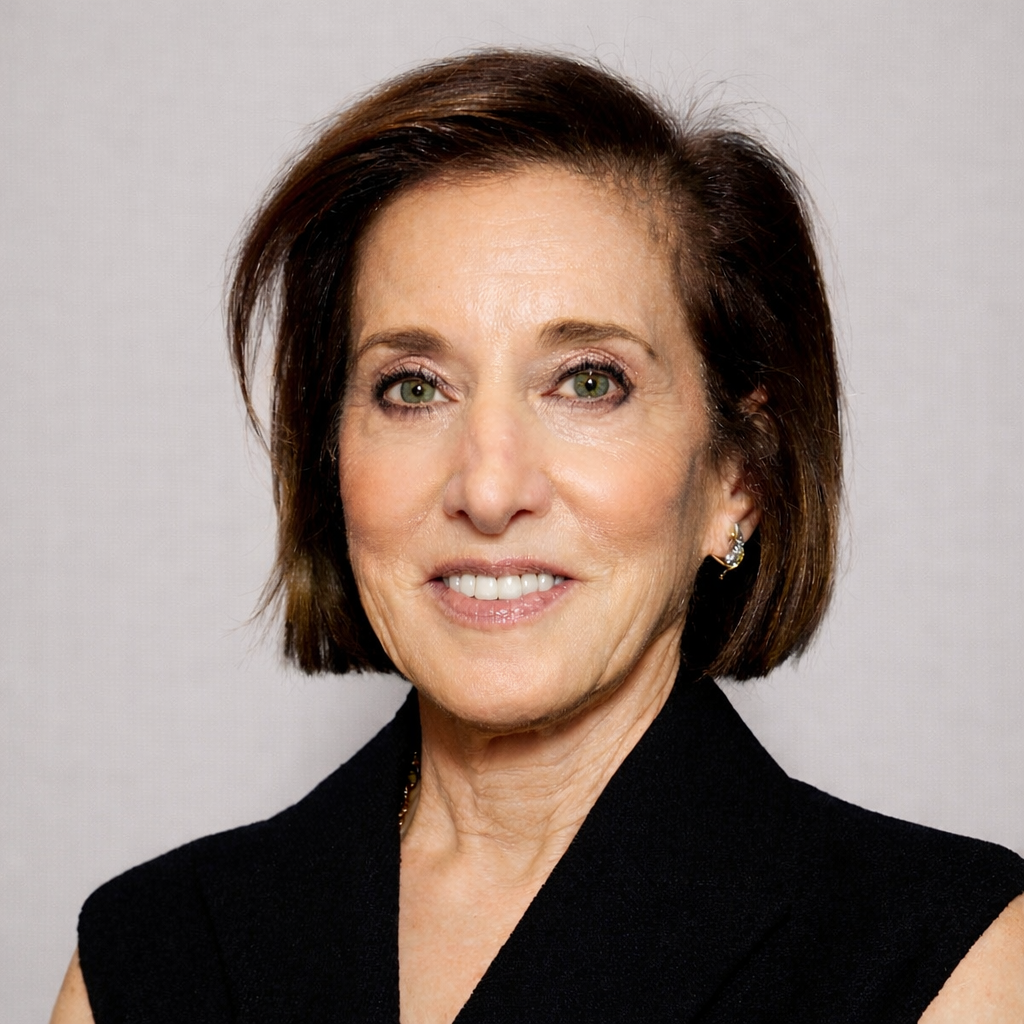
Dr Jane E. Salmon, MD (USA)
Invited Online Speaker
Dr. Jane Salmon is the Collette Kean Research Professor and Director of the Lupus and Antiphospholipid Center of Excellence at Hospital for Special Surgery. She is Professor of Medicine and Obstetrics and Gynecology, and she is Associate Dean, Faculty Affairs at Weill Cornell College of Medicine.
Dr. Salmon’s research has focused on elucidating mechanisms of tissue injury in lupus and other autoimmune diseases. Her basic, translational and clinical studies have led to a paradigm shift in the understanding of mechanisms of pregnancy loss, cardiovascular disease and end-organ damage in patients with lupus. Ground-breaking laboratory discoveries about causes of pregnancy loss and preeclampsia, and subsequent observational studies in women with lupus and APS have allowed her to identify new targets to reduce damage and improve outcomes in patients with autoimmune illness.
In recognition of her contributions, she was awarded the Carol Nachman international prize in rheumatology, the Virginia Kneeland Frantz ’22 Distinguished Women in Medicine Award from the Columbia P&S Alumni Association, the Evelyn V. Hess Award from the Lupus Foundation of America, Master of the American College of Rheumatology, and election to the American Association of Physicians and to the National Academy of Medicine.
-
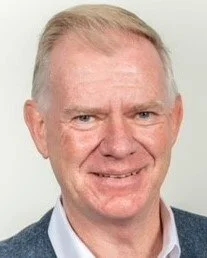
Prof Michael Shanahan
BMBS MPH PhD MHPE FRACP FAFOEM
Professor Michael Shanahan is a rheumatologist and leads the Rheumatology Service at Flinders in the Southern Adelaide Local Health Network. He is also an Occupational Physician.
He has a long-standing interest in medical education. He has a Master’s Degree in Health Professions Education from the University of Maastricht in the Netherlands. He is activity involved in the medical teaching program in the Flinders post-graduate medical degree. He teaches basic and advanced trainees and examines regularly for the RACP . He has supervised 28 advanced trainees in rheumatology and occupational medicine through to Fellowship. He has been Chief Censor for the Faculty of Occupational and Environmental Medicine for 6 years and chair of the rheumatology Advanced Training Committee for a total of 9 years. He currently serves on the Education, Training and Workforce Committee for the ARA. He has authored several original research papers in the area of medical education and continues to research activity in this area.
In 2024 he had the honour to receive the John Sands medal for services to the RACP.
-
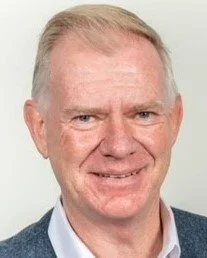
Prof Michael Shanahan
BMBS MPH PhD MHPE FRACP FAFOEM
Professor Michael Shanahan is a rheumatologist and leads the Rheumatology Service at Flinders in the Southern Adelaide Local Health Network. He is also an Occupational Physician.
He has a long-standing interest in medical education. He has a Master’s Degree in Health Professions Education from the University of Maastricht in the Netherlands. He is activity involved in the medical teaching program in the Flinders post-graduate medical degree. He teaches basic and advanced trainees and examines regularly for the RACP . He has supervised 28 advanced trainees in rheumatology and occupational medicine through to Fellowship. He has been Chief Censor for the Faculty of Occupational and Environmental Medicine for 6 years and chair of the rheumatology Advanced Training Committee for a total of 9 years. He currently serves on the Education, Training and Workforce Committee for the ARA. He has authored several original research papers in the area of medical education and continues to research activity in this area.
In 2024 he had the honour to receive the John Sands medal for services to the RACP.
-
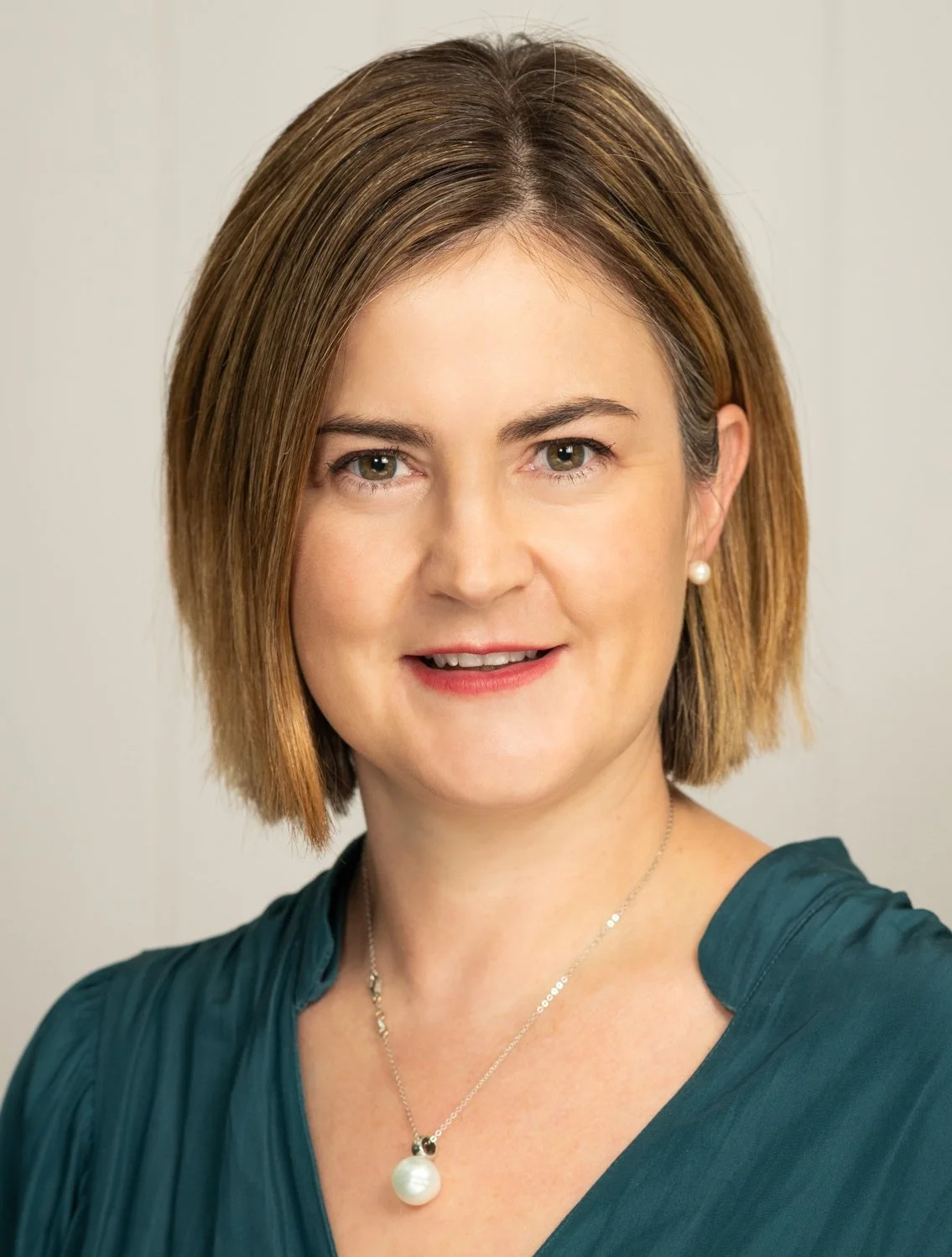
Dr Phillipa Sharwood
MBBS MMed FRANZCO
Dr Sharwood is an adult and paediatric ophthalmologist at Queensland Children’s Hospital and Royal Brisbane and Womens’ Hospital. In addition to completing her FRANZCO training at Sydney Eye Hospital she completed 2 years of additional subspecialty training in paediatric ophthalmology and strabismus in the UK at the Cambridge University Hospitals and Great Ormond Street Hospital for Children in London with an additional focus on paediatric cataract surgery, uveitis, electrophysiology and adult strabismus. At Queensland Children’s Hospital she is the Ophthalmology lead in the Uveitis Multidisciplinary Service and the paediatric Visual Electrophysiology Service.
-
Dr Namrata Singh
Invited Online Speaker
Dr Singh is a board-certified adult rheumatologist in the Division of Rheumatology at the University of Washington. Before moving to WA, she was a faculty at the University of Iowa where she completed her Master of Science in Clinical Investigation. She completed her Rheumatology fellowship at the Temple University in Philadelphia.
Dr Singh is an "onco-geri-rheumatologist" with her research focusing on the care of patients, especially older adults, with rheumatic diseases who develop cancer or those with cancer who develop complications of cancer therapies. She is currently funded by the NIAMS K23 and an R03 award from the NIA to build an evidence base for this patient population. Besides working on her projects, she enjoys mentoring the next generation of physicians.
When not working, you will find her on the field cheering her two sons during their cricket games and tournaments.
-
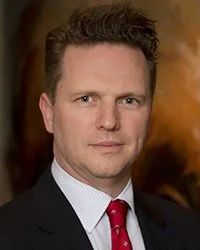
Dr Richard Skoien
Dr Richard Skoien is a full-time Staff Hepatologist and Gastroenterologist at the Royal Brisbane and Women’s Hospital in Queensland with expertise in the management of all chronic liver diseases, especially cirrhosis and its complications. He completed a PhD in the pathogenesis of non-alcoholic steatohepatitis and has research interests in biomarkers of HCC and chronic liver disease, as well as clinical innovations to improve outcomes in patients with cirrhosis. He teaches and mentors students and trainees and is a Senior Lecturer with The University of Queensland School of Medicine. He has developed a number of hospital-based quality improvement initiatives for patients with cirrhosis, is engaged in local collaborative research at the QIMR-Berghofer Medical Research Institute, and nationally as part of the GESA Liver Clinical Research Network. In addition to his clinical and research work, he has been a Principal Investigator on many multi-centre international drug trials and is a regular contributor to Advisory Board Meetings on the use of new therapeutics in Australia.
-
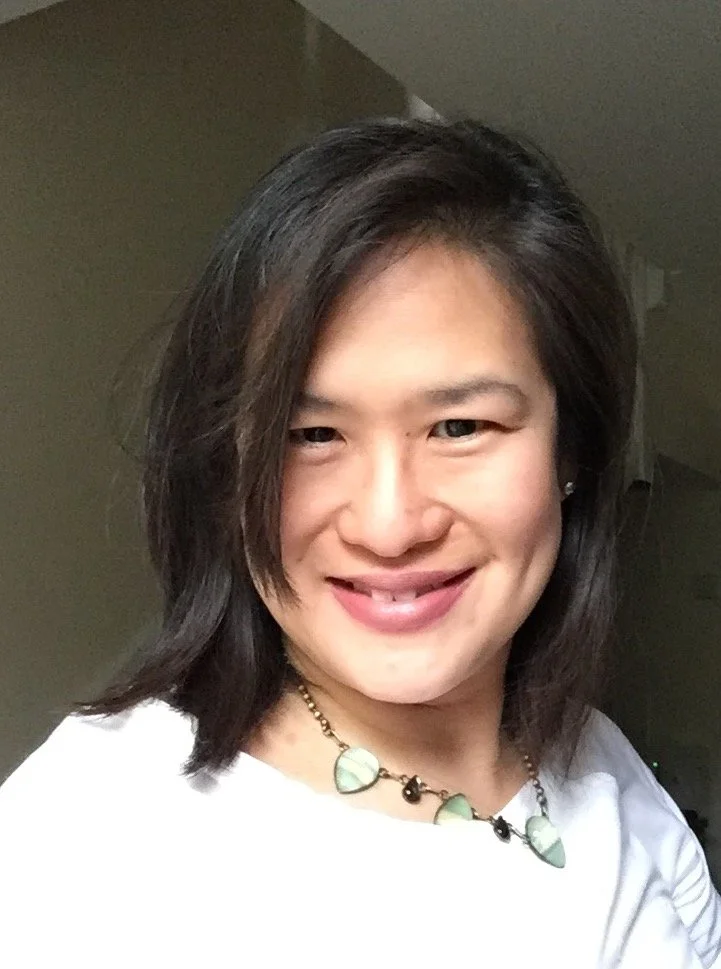
Dr May Ching Soh
May Ching Soh is a rheumatologist and obstetric physician at Counties Manukau’s Middlemore Hospital in Auckland, New Zealand. Recognising early in her career the importance of addressing pregnancy and reproductive health in patients with rheumatic disease, she pursued a fellowship in 2010, then undertook her initial consultant roles at Guy’s & St Thomas’ NHS Foundation Trust and Imperial College Healthcare NHS Trust in London, as well as at the high-risk Silver Star Unit at The John Radcliffe in Oxford.
Alongside her clinical work, May completed a PhD focused on population registries, investigating the long-term cardiovascular outcomes of individuals whose pregnancies were complicated by placental insufficiency, and examining the overlap between these outcomes and autoimmune rheumatic diseases.
She now leads the Obstetric Medicine service serving the largest and most ethnically diverse maternity population in New Zealand. May remains committed to advancing care for pregnant people with rheumatic diseases through education, service development, and guideline authorship, most recently in the forthcoming APLAR guidelines on reproductive health.
-
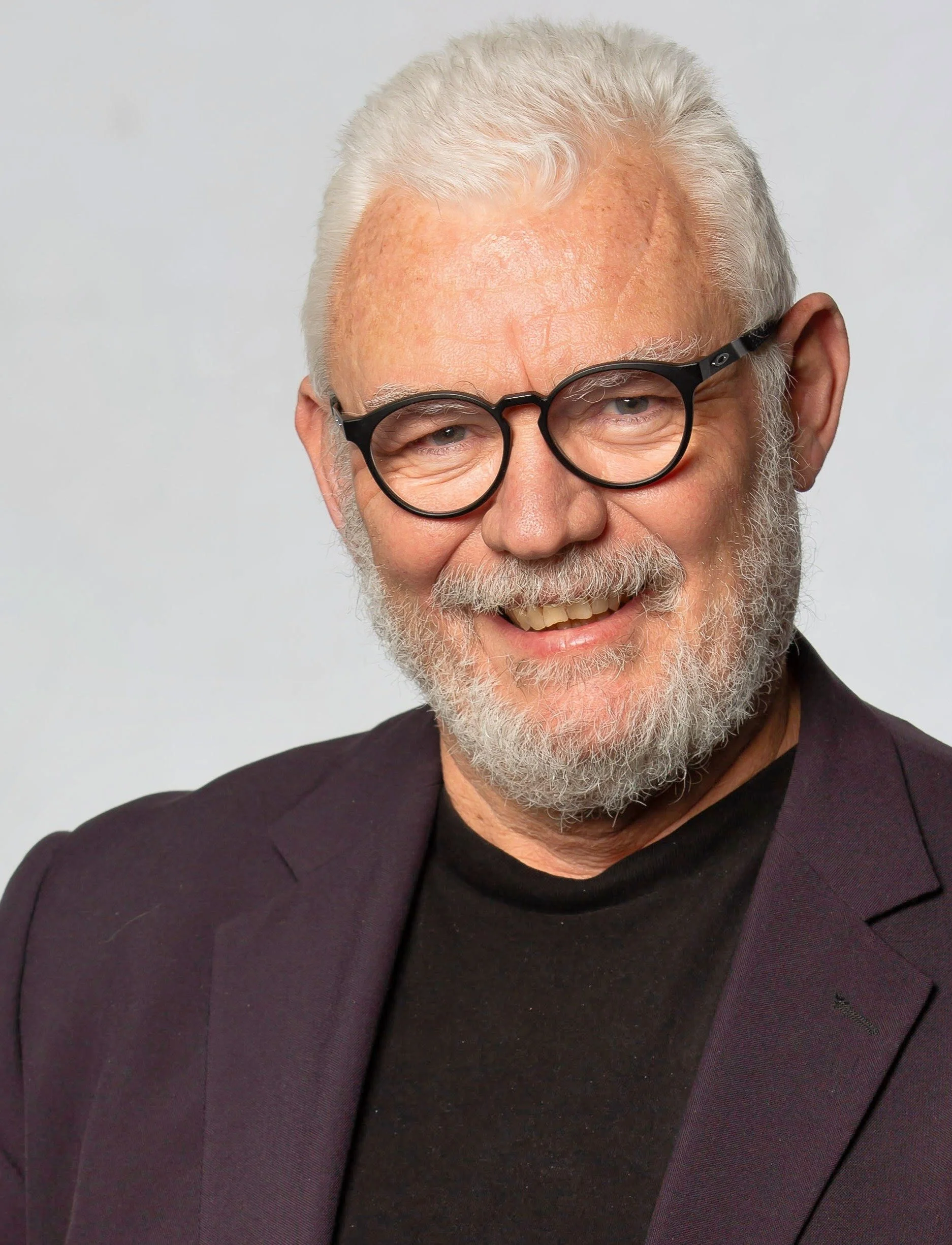
Alex Tewes
Senior Advisor Policy and Advocacy
Alex was born in Argentina and came to Australia in 1973.
He has a long career in national security, having served in the Australian Army and later the Department of Defence in a number of senior policy and strategy roles. He has also worked for the Australian Parliament as Director of Foreign Affairs, Defence and Trade within the Research Service of the Parliamentary Library.
He left the Australian Public Service in 2012 and has since worked for a number of not-for-profits in policy and advocacy roles across Veterans and Aged Care portfolios.
He holds a Bachelor of Arts in Public Policy, Honours and a Graduate Diploma in Antarctic Policy, and master’s degrees in both management and in Strategic Studies.
He is a Graduate of the Australian Institute of Company Directors, a Fellow of the Centre for Defence and Strategic Studies, and a Fellow of the Royal Society of Arts.
Alex has been married to Jacquie for 42 years, and they have three daughters and three granddaughters.
(optional Fun Facts)
· Alex has walked various routes of the Camino de Santiago four times, and walked across the UK once, totalling more than 3,000km across Europe over the past decade and a half.
· He is a keen photographer, with two solo exhibitions under his belt.
-
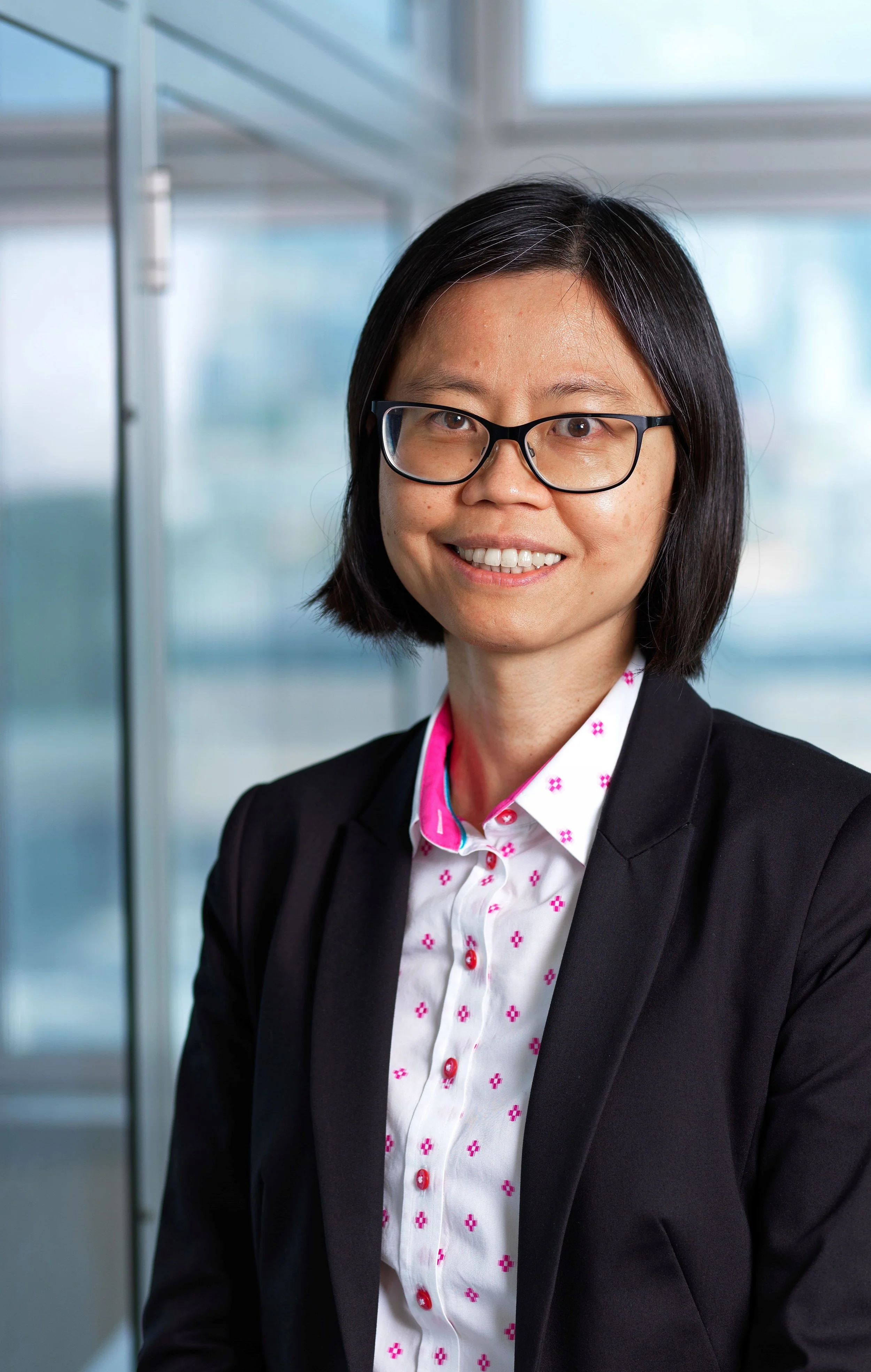
A/Prof Siok Tey
Dr Siok Tey is a clinician scientist. She is a research Group Leader and Medical Director for the Good Manufacturing Practice Facility at QIMR Berghofer Medical Research Institute; and a Senior Staff Specialist in Haematology and Bone Marrow Transplantation and Director for Genetically Modified Cell Therapies at the Royal Brisbane and Women’s Hospital. Siok received her medical training at the University of Queensland and her research training at the Center for Cell and Gene Therapy, Baylor College of Medicine (USA), followed by a PhD in immunology at QIMR Berghofer. Her research interests are the immunobiology of bone marrow transplantation and the development of novel immunotherapeutics using cell and gene technology. She has led two investigator-initiated phase I clinical trials using gene-modified T cells that are manufactured within the academic setting. She is currently leading a clinical trial using CD19 CAR T cells manufactured within the hospital. She is a founding member of a national collaborative for place-of-care advanced manufacturing and the Australia & New Zealand Regional Vice President Elect for the International Society of Cell and Gene Therapy.
-
Professor Ranjeny Thomas AM
MBBS (WA), MD (WA), FRACP, FAHMS
Professor Thomas is Professor of Rheumatology at University of Queensland, Translational Research Institute, consultant rheumatologist at Princess Alexandra Hospital, fellow of the Australian Academy of Health and Medical Sciences and member of the Order of Australia. She has founded two spin-off companies Dendright (2006-2021), and Liperate in 2022.
She has contributed major insights into immune tolerance mechanisms in autoimmune disease, as well as the interaction between microbiome and the immune system to trigger arthritis. Ranjeny developed dendritic cell-based citrullinated antigen-specific immunotherapy in the first proof-of-concept trial in Rheumatoid Arthritis. She then developed a liposome immunotherapy that targets dendritic cells to induce antigen-specific tolerance, opening new opportunities for the control and prevention of autoimmune disease. Dendright progressed a liposome-based tolerance immunotherapy for rheumatoid arthritis to a phase I trial, and Liperate recently opened a trial of a liposome-based tolerance immunotherapy for type 1 diabetes. Ranjeny and her team were recently awarded a MRFF Frontiers grant towards the moonshot goal of a cure for rheumatoid arthritis.
-
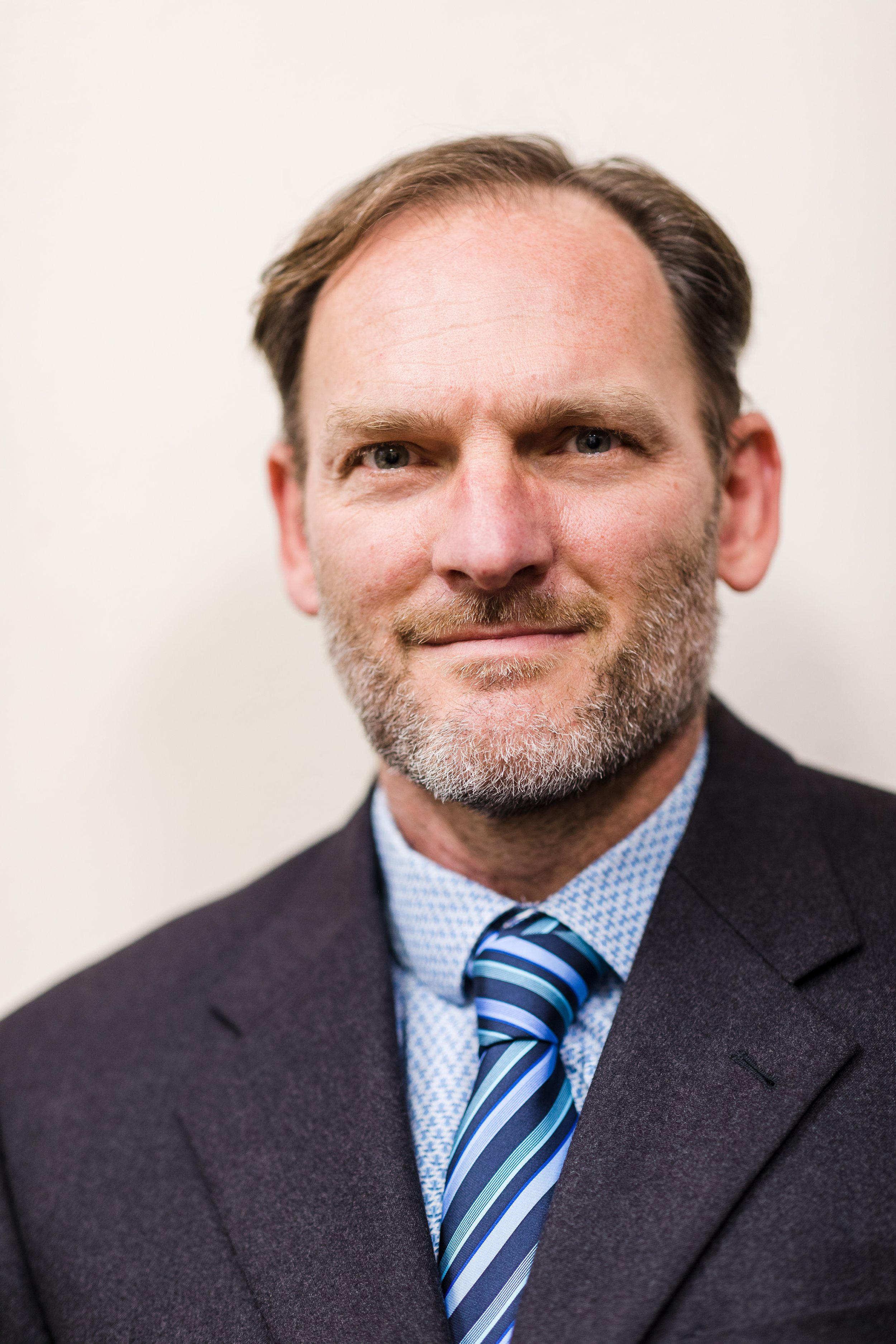
Dr John Van Der Kallen
John Van Der Kallen is a Rheumatologist who has worked in Newcastle for over 20 years. He graduated from UNSW in 1994 and has worked in a number of rural and metropolitan areas on NSW and completed his rheumatology training in Leiden, Netherlands. He established the fracture prevention clinics in the Hunter New England Areas Health Service.
John was the National Chair of Doctors for the Environment Australia from 2020-23. He is actively involved in improving biodiversity and carbon sequestration projects.
-
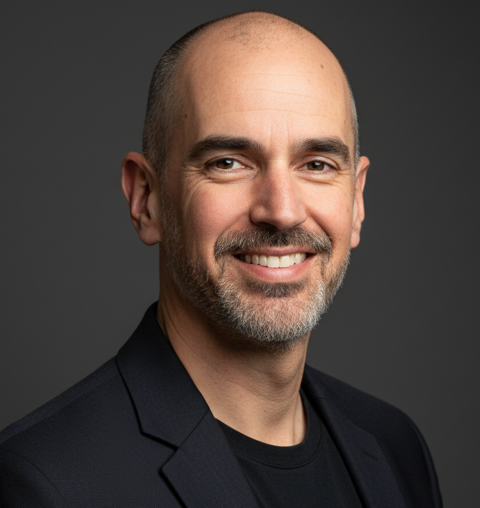
Dr Samuel Whittle
ARA President
Dr Whittle is a senior consultant rheumatologist at the Queen Elizabeth Hospital in Adelaide, South Australia, a senior lecturer at the University of Adelaide and an adjunct senior research fellow at Monash University. His primary clinical interest is in fibromyalgia and related disorders. He runs the only public hospital fibromyalgia clinic in South Australia. In addition, he is an ANZMUSC Practitioner Fellow, researching living evidence, and has led the development of the Australian Living Guidelines for Adult Inflammatory Arthritis and Juvenile Idiopathic Arthritis (www.livingguidelines.org). He completes his term as President of the Australian Rheumatology Association in May 2026. He is the founder and inaugural Editor-in-Chief of the Australian Rheumatology Journal. He is also a member of the Executive Committee of the Australia & New Zealand Musculoskeletal Clinical Trials Network (ANZMUSC) and the Cochrane Musculoskeletal editorial board.
-
Dr Sara Winter
Dr Sara Winter is a Clinical Psychologist and CBTi practitioner based in Brisbane, Australia, with 20 years' experience and a special interest in sleep disorders and chronic disease. Sara completed her PhD in the area of sleep disorders and health behaviour change, and completed her clinical training at the University of Queensland in the area of Clinical and Neuro Psychology.
Sara is experienced in working with a variety of clinical presentations including sleep disorders, depression, anxiety, trauma, and the psychological aspects of chronic diseases and chronic pain. Sara has a special interest and extensive experience in the psychological aspects of the management of sleep disorders including insomnia, hypersomnolence conditions, circadian rhythm sleep-wake disorders, parasomnias and nightmares.
Cognitive Behaviour Therapy for Insomnia (CBTi) is the Gold Standard, first-line recommended treatment for Insomnia (ACP Practice Guideline, 2016). Sara is a skilled clinician and trainer in this intervention modality. Sara is available for workshops and talks to small and large groups on the behavioural management of sleep disorders including CBTi, Motivational Interviewing and health behaviour change. She is also an approved AHPRA Psychology Board of Australia supervisor for all pathways to registration as a Psychologist, including the Clinical Registrar programme. Sara is a member of the Motivational Interviewing Network of Trainers (MINT) SaraWinter | Motivational Interviewing Network of Trainers (MINT).
-
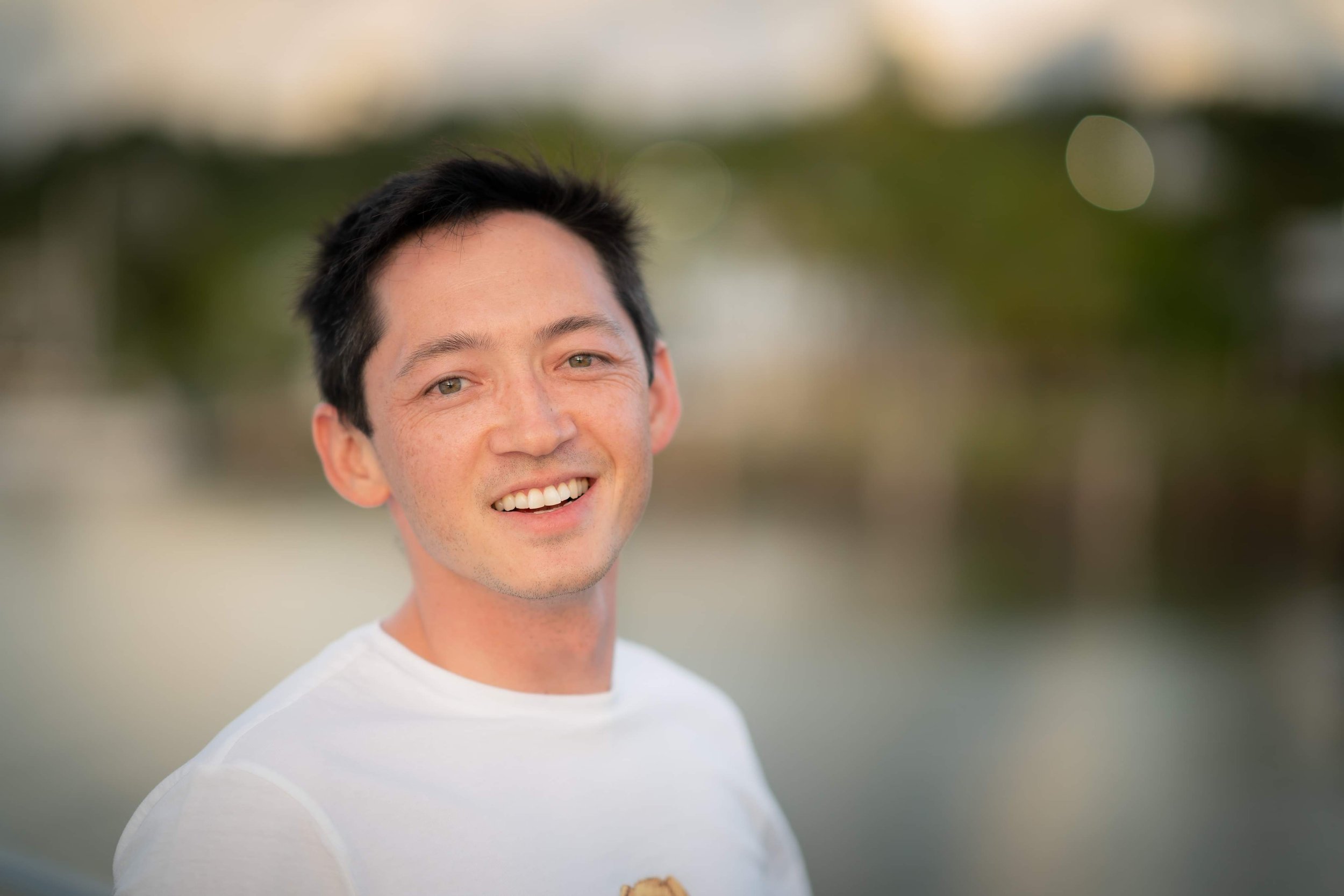
Dr John Wood
Dr John Wood is a rheumatologist in Cairns with strong connections to the Torres Strait Islands. After completing his training in Queensland, he completed a fellowship at the Royal National Hospital for Rheumatic diseases in Bath focussing on myositis. John is passionate about equitable patient care and enjoys tutoring and mentoring students at James Cook University.